866-453-5366
26 Gauge Metal Roofing Panels for Roofing Projects
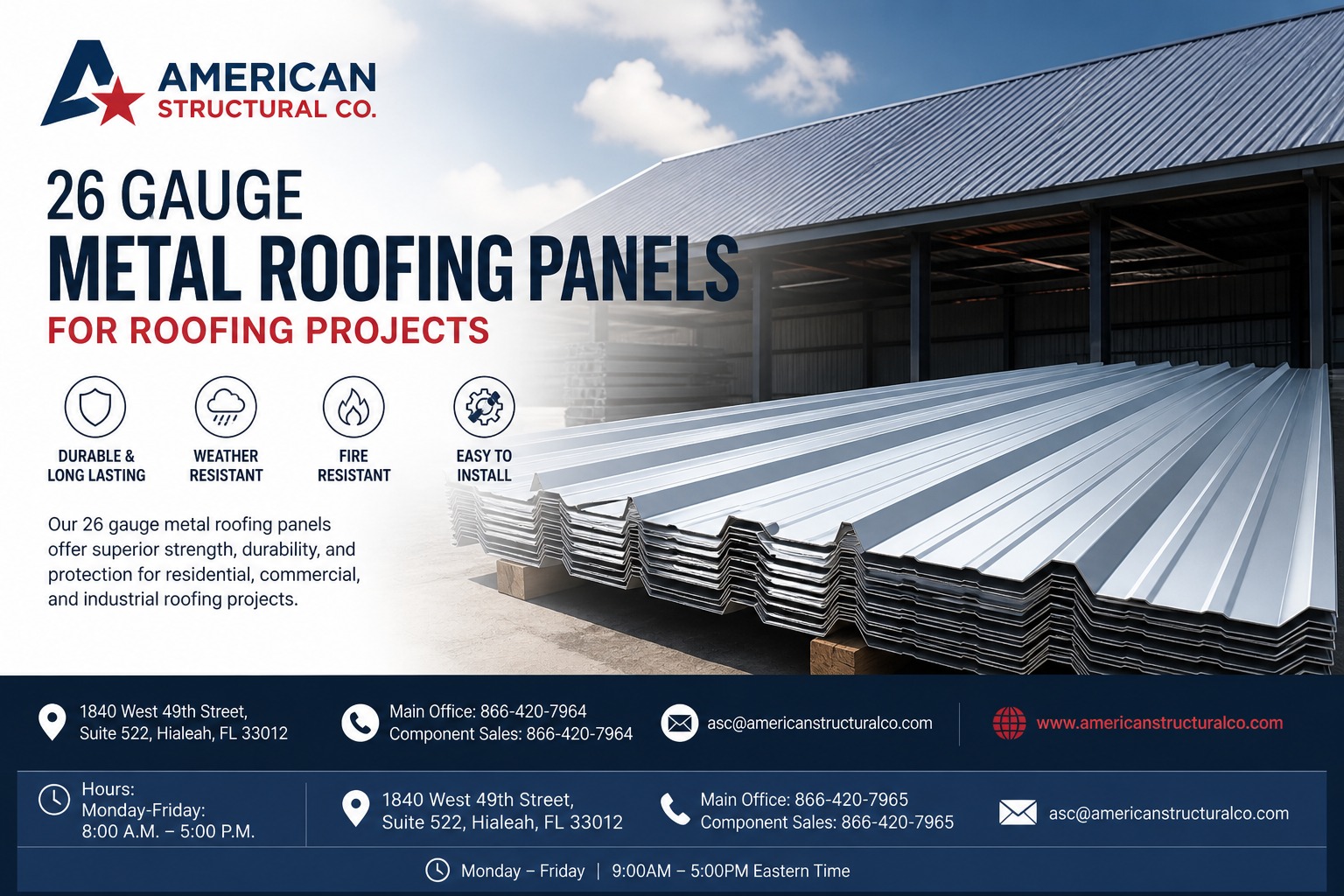
Understanding the Strength of 26 Gauge Metal Roofing Panels for Roofing Projects
In the world of metal fabrication, the gauge number tells a story of thickness and durability. Contrary to what many might assume, a lower gauge number indicates a thicker piece of metal. While 29 gauge is common in residential markets due to its light weight, the 26 gauge metal roofing panels for roofing projects offer a significantly thicker profile. This added thickness translates directly into better wind uplift ratings and a much higher resistance to impact damage from hail or falling debris.
Thicker panels provide a stiffer surface that resists oil canning, which is the wavy appearance sometimes seen on flat metal surfaces. When you invest in these panels, you are essentially buying peace of mind. The rigidity of the steel ensures that the roof stays flat and sleek for decades, maintaining the architectural lines of your building without the sagging or warping that often plagues lighter materials.
The Structural Advantages of Heavy Duty Steel Panels
Engineering a roof requires a balance between weight and support. 26 gauge metal roofing panels for roofing projects strike this balance perfectly. They are heavy enough to provide substantial protection against extreme weather but light enough that they do not require the massive structural reinforcements that clay tiles or slate might demand. This makes them an ideal choice for both new constructions and retrofitting older buildings where the existing rafters need to be respected.
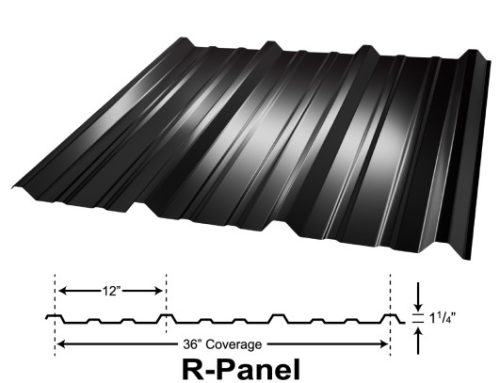
The structural profile of these panels typically features high ribs or standing seams. These designs are not just for show; they are engineered to channel water away from the building with maximum efficiency. In regions prone to heavy snowfall or torrential rain, the ability of the roof to shed weight quickly is vital. The smooth, coated surface of 26 gauge steel allows snow to slide off before it can accumulate and cause stress on the building frame.
Coating Technologies and Long Term Performance
The raw strength of steel is only half of the equation. To truly excel in a roofing application, the metal must be shielded from the elements. Modern 26 gauge metal roofing panels for roofing projects utilize advanced coating systems like Galvalume or specialized Kynar finishes. These aren't just layers of paint; they are chemically bonded barriers that prevent oxidation and rust.
Galvalume, a combination of zinc and aluminum, provides sacrificial protection to the steel core. If the panel is scratched, the zinc reacts to protect the exposed area. On top of this, high quality pigment coatings reflect a massive amount of solar radiation. This thermal performance is a game changer for energy efficiency. Instead of absorbing heat and radiating it into the attic, these panels bounce the sun's energy back into the atmosphere, keeping cooling costs manageable during the peak of summer.
Installation Precision and Weather Tight Seals
A roof is only as good as its weakest joint. One of the reasons professionals prefer 26 gauge metal roofing panels for roofing projects is the precision with which they can be handled and fastened. Thicker metal holds a fastener more securely. When a screw is driven through a 26 gauge panel into the wooden or metal purlins below, the "grip" is significantly stronger than it would be on a flimsier sheet.
This security is paramount during high wind events. Hurricanes and tornadic winds create a vacuum effect that tries to peel the roof off the structure. The shear strength of 26 gauge steel ensures that the fasteners stay seated and the panels remain locked together. Furthermore, the overlap sections of these panels are designed with anti siphon grooves. This clever bit of engineering prevents water from being "sucked" up between the overlapping sheets through capillary action, ensuring the interior of the building stays bone dry even in wind driven rain.
Aesthetic Versatility for Modern and Traditional Designs
Gone are the days when metal roofs were reserved for barns and industrial warehouses. Today, the clean lines of 26 gauge metal roofing panels for roofing projects are a favorite among architects designing modern minimalist homes. However, they are equally at home on a rustic farmhouse or a coastal cottage. The variety of colors available today ranges from deep matte blacks and charcoals to vibrant copper patinas and forest greens.
Because the metal is thicker, it takes to various profiles beautifully. Whether you prefer the classic look of a corrugated wave or the sharp, professional appearance of a standing seam, the 26 gauge thickness ensures the shapes remain crisp. This aesthetic longevity adds significant curb appeal and resale value to a property. Potential buyers recognize the value of a permanent roofing solution that won't need to be replaced for fifty years or more.
Environmental Impact and Sustainability
Choosing 26 gauge metal roofing panels for roofing projects is a win for the environment. Steel is the most recycled material on the planet. Most new metal panels contain a high percentage of recycled content, and at the end of their incredibly long lifespan, the entire roof is one hundred percent recyclable. Unlike asphalt shingles, which contribute millions of tons to landfills every year, metal roofing represents a circular economy.
Furthermore, the longevity of the product reduces the overall carbon footprint of the building. When you install a roof that lasts three times longer than a traditional shingle roof, you are effectively cutting the manufacturing and transportation energy requirements by two thirds over the life of the structure. Combined with the energy savings from its reflective properties, it is one of the "greenest" choices a builder can make.
Maintenance and Lifecycle Cost Analysis
While the initial investment in 26 gauge metal roofing panels for roofing projects is higher than asphalt, the lifecycle cost is substantially lower. Asphalt roofs are subject to granular loss, cracking, and organic growth like moss and algae. These issues require frequent cleaning and eventually lead to a total replacement every fifteen to twenty years.
In contrast, a well installed 26 gauge metal roof requires very little maintenance. An occasional rinse to remove salt spray or dust and a periodic check of the flashing and sealants are usually all that is needed. You aren't just paying for metal; you are paying to never have to worry about your roof again. For many homeowners, the one time cost is easily justified when they realize they will never have to deal with a roofing contractor for the rest of their time in the home.
Adapting to Diverse Climates
From the frozen plains of the north to the humid tropics, these panels perform exceptionally well. In cold climates, the thickness of 26 gauge metal prevents the "tearing" that can happen when ice dams form and put pressure on the eaves. In coastal areas, the high quality coatings protect against salt air corrosion that would eat through thinner metals in a matter of months.
The fire resistance of metal is another factor that cannot be ignored. In areas prone to wildfires, having a non combustible 26 gauge metal roof can be the difference between a total loss and a house that stands through the heat. Most insurance companies recognize this and offer reduced premiums for homes protected by Class A fire rated metal roofing systems.
Choosing the Right Professional for the Job
Because 26 gauge metal is stiffer and more substantial, it requires a certain level of expertise to install correctly. You want a team that understands how to manage thermal expansion and contraction. Metal grows and shrinks with temperature changes, and the fastening system must allow for this movement without stressing the panels.
When searching for a contractor, look for someone who specializes in heavy gauge installations. They will have the specialized tools, such as heavy duty shears and seaming machines, required to work with the thicker material. A quality installation ensures that all the technical benefits of the 26 gauge steel are fully realized, providing a seamless and impenetrable barrier against the world outside.
I have spent years looking at how different materials hold up under pressure and the 26 gauge steel option consistently comes out on top for anyone looking for a permanent solution. It is the sweet spot of value where you get professional grade durability without the extreme costs of industrial 22 gauge materials. If you are planning a project that you want to stand the test of time, putting your resources into a thicker, more resilient panel is a move you will never regret. It is about building something that lasts and making sure your home is tucked away safely under a shield that can handle whatever the sky decides to throw at it.