 866-453-5366
Fire Resistant Metal Panels for Rated Wall Assemblies |
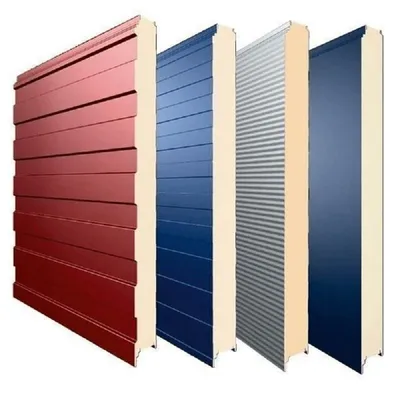
Fire resistant metal panels are required in an increasing number of commercial building types, from industrial warehouses to pharmaceutical facilities to large-occupancy distribution centers. The challenge for contractors and specifiers is that fire rating classifications for insulated metal panel assemblies are genuinely complex, and the documentation required to demonstrate code compliance is not always easy to obtain or interpret. Getting this right before permit submission saves weeks of back-and-forth with code officials. |
Why IMP Panels Present a Fire Code Challenge
Insulated metal panels contain foam plastic insulation, which is a combustible material. The IBC, under Section 2603, places requirements on how foam plastic insulation can be used in wall and ceiling assemblies. The default requirement is that foam must be separated from the building interior by a thermal barrier, typically 1/2-inch gypsum wallboard or equivalent.
This requirement creates an obvious conflict for cold storage and industrial applications where IMP panels are specifically chosen for their exposed metal surface, cleanability, and the elimination of interior finish layers. The solution is to use fire resistant metal panels that have been tested and listed under an approved alternative to the thermal barrier requirement.
Understanding UL 1040 and FM 4880
The two primary test standards relevant to fire resistant metal panels in the U.S. are UL 1040 (Fire Test of Insulated Wall Panels) and FM 4880 (Approval Standard for Class 1 or Class 1 Insulated Wall or Wall and Roof Panels). These tests evaluate how IMP assemblies behave when exposed to fire on the interior surface.
UL 1040 is referenced in IBC Section 2603.9 as an alternative test that allows IMP panels to be used without a thermal barrier when the assembly meets the test requirements. FM 4880 is used by Factory Mutual (FM Global) as the basis for property loss control ratings, and many industrial building owners with FM Global insurance require FM-approved panels.
When a panel is described as fire resistant metal panels tested to these standards, the listing applies to a specific assembly: specific facer gauges, specific core material, specific core density, and specific panel thickness. Using a panel that differs from the tested assembly, even slightly, may void the listing.
How to Read an IMP Fire Rating Listing
When your supplier provides fire testing documentation for fire resistant metal panels, look for the following. The listing number (e.g., UL R XXXXX). The specific panel construction described in the listing: facer gauge, core type, core density, and panel thickness range covered. The specific assembly conditions under which the listing applies: whether it covers walls only or walls and ceilings, and whether sprinklers are required for the listing to be valid.
Many IMP fire listings require automatic sprinkler protection as a condition of the listing. If your project is designed without sprinklers, verify that your selected panel can qualify without that condition, as not all listings permit this.
Documentation to Request From Your Fire Resistant Metal Panel Supplier
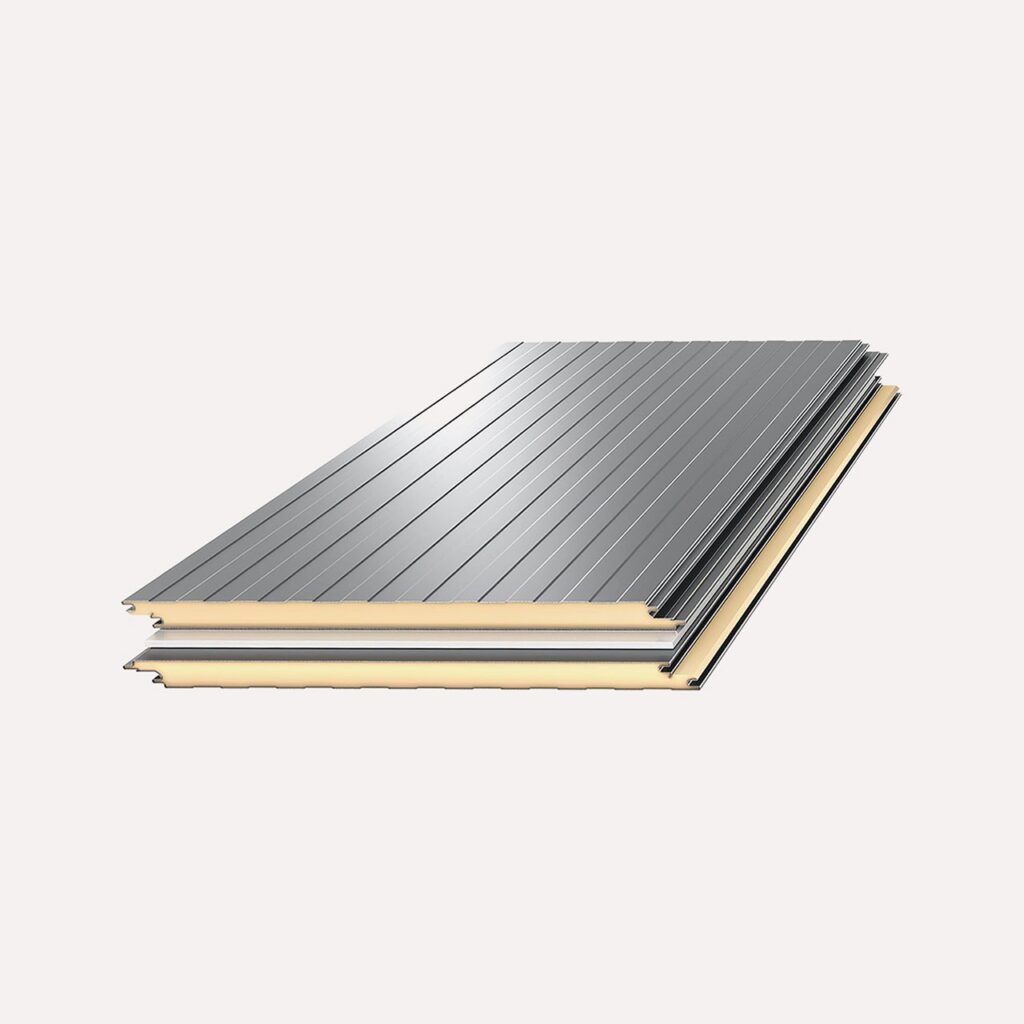
Before finalizing your IMP specification for a fire-rated application, request the following from your supplier: the complete UL listing or FM approval in written form, not just a summary statement; the specific panel construction details (facer gauge, core density, core material) that match the listing; confirmation that the panels they are supplying match those specifications; and any limitations or conditions in the listing such as maximum height, maximum area, or sprinkler requirements.
Request these documents early in the procurement process. Some code jurisdictions also require the panel manufacturer to provide a letter of compliance stating that the material supplied matches the tested assembly.
Common Occupancy Types Requiring Fire Resistant Metal Panels
Group S-1 (moderate hazard storage), Group F-1 (moderate hazard factory), Group H (high hazard), and Group I (institutional) occupancies all commonly require fire-rated wall and ceiling assemblies. Large-area buildings triggering unlimited area provisions under IBC Section 507 may also require noncombustible construction that impacts panel specification.
Sourcing Fire-Rated IMP Panels Through ASC
American Structural Co. supplies fire resistant metal panels with complete UL and FM documentation. The full IMP range, including fire-rated options, is available through the Insulated and Fire-Resistant Panels category. For cold storage applications requiring fire-rated IMP panels, see the Cold Storage services page. To discuss listing documentation and project-specific requirements, Contact Us to reach ASC’s technical team.
Frequently Asked Questions
Do fire resistant metal panels eliminate the need for a thermal barrier?
Panels tested under UL 1040 or FM 4880 can qualify for use without a thermal barrier in many jurisdictions when the assembly meets the test conditions. Verify with your local building official.
What is the difference between UL 1040 and FM 4880 for fire resistant metal panels?
UL 1040 is an IBC-referenced test standard for insulated wall panels. FM 4880 is the FM Global approval standard for Class 1 panels. Some projects require one, some require both, depending on the owner’s insurance carrier and local code.
Can any IMP panel qualify as fire resistant metal panels under UL 1040?
No. The listing applies to a specific tested assembly. The panel construction must match the listing exactly in terms of facer gauge, core material, and core density.
Do fire resistant metal panels require sprinklers?
Many UL 1040 and FM 4880 listings include sprinkler systems as a condition of the listing. Some listings cover unsprinklered applications but may have height or area limitations.
How do I verify that panels my supplier is selling carry legitimate fire listings?
Request the full listing document, not just a statement that the panels are listed. Verify the listing number on the UL Product iQ or FM Approved Products database.
Specifying fire resistant metal panels correctly requires understanding how test standards and code provisions interact, what conditions attach to the listing you are relying on, and what documentation your building official will require at permit submission. The time invested in getting this right before ordering panels prevents the costly scenario of having materials arrive that cannot be approved for the intended application. Work with a supplier who understands these requirements and can provide complete documentation with your order.


Leave A Comment