 866-453-5366
29-Gauge vs. 26-Gauge Metal Roofing Panels: A Practical Specification Guide for Commercial Projects
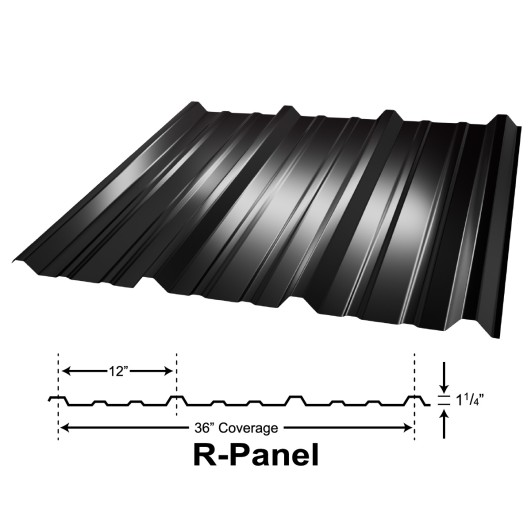
Gauge selection is one of the first decisions a contractor or spec writer makes when designing an exposed fastener metal roofing system, and the difference between 26 gauge metal roofing panels and 29-gauge panels is more consequential than many buyers initially realize. The gap involves not just steel thickness, but spanning performance, dent resistance, warranty coverage, and long-term durability in commercial environments. |
Understanding Metal Roofing Panel Gauge
In steel panel manufacturing, gauge numbers work inversely to thickness: lower gauge numbers indicate thicker steel. A 26 gauge metal roofing panel is thicker and heavier than a 29-gauge panel of the same profile. Standard gauge thicknesses for cold-formed steel panels are approximately 0.0179 inches for 26 gauge and 0.0142 inches for 29 gauge, based on galvanized sheet standards.
The thickness difference of roughly 0.0037 inches does not sound significant, but it represents approximately a 26 percent increase in steel thickness when moving from 29 to 26 gauge. This affects every structural and mechanical property of the panel in proportion.
Spanning Capacity: How Gauge Affects Purlin Spacing
26 gauge metal roofing panels can typically span greater distances between purlins than 29-gauge panels in the same profile. For R-panels, a 26-gauge panel may span 5 to 6 feet under standard commercial loads while a 29-gauge panel maxes out around 4 to 5 feet. This difference in spanning capability directly affects purlin count and installed labor cost.
On a large commercial building, the ability to increase purlin spacing from 4 to 5 feet by specifying 26 gauge metal roofing panels instead of 29 gauge can eliminate a significant number of purlins, reducing both material and installation costs. In many projects, the premium for heavier gauge panels is partially or fully offset by purlin savings.
Dent Resistance and Field Damage
In commercial and industrial applications, metal roof panels take abuse from foot traffic during installation, falling tools and hardware, hail, and occasional equipment contact. The thicker steel in 26 gauge metal roofing panels resists denting and permanent deformation significantly better than 29-gauge panels.
This matters not just cosmetically but functionally. A dented panel near a fastener can compromise the weathertight seal, creating a potential leak point. A dented panel in a visible location of a commercial building may require replacement, which is far more expensive than the gauge upgrade at the time of original installation.
Warranty Implications of Gauge Selection
Many metal panel manufacturers issue different warranty terms for different gauges. A 26 gauge metal roofing panel from a major manufacturer might carry a 40-year paint warranty and a 25-year weathertight warranty, while the same manufacturer’s 29-gauge panel carries shorter terms. Always review the warranty documentation for the specific gauge you are specifying.
Building owners who receive a project specification without understanding gauge implications may later discover that their warranty coverage is shorter than they assumed. Communicating gauge selection clearly, including the warranty implications, is part of delivering a complete specification.
Cost Difference Between 26 and 29 Gauge Panels
26 gauge metal roofing panels cost more per panel than 29-gauge panels, reflecting the additional steel content. The premium varies with market conditions, but in typical commercial supply scenarios the difference is in the range of 10 to 20 percent per panel. On a large commercial project, this premium can be meaningful in absolute dollars, which is why the purlin spacing economics are important to evaluate before making a final gauge decision.
When 29-Gauge Panels Are an Appropriate Choice
There are legitimate applications for 29-gauge panels. Small accessory buildings, agricultural structures with short spans and low load requirements, and projects with very tight budgets where the owner understands the tradeoffs are reasonable use cases for the lighter gauge. What is not appropriate is specifying 29-gauge for commercial industrial applications with long spans, significant live loads, or locations where hail or mechanical damage is a realistic concern.
Ordering the Right Gauge From ASC
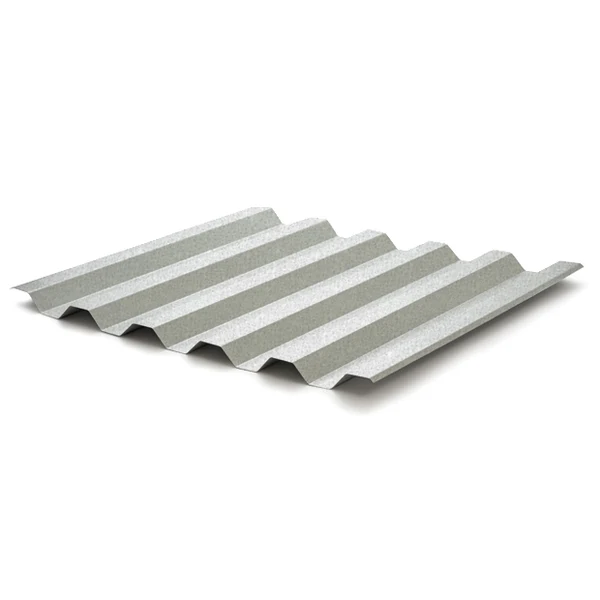
ASC stocks 26 gauge metal roofing panels in standard commercial profiles including R-panel and mega rib. The full range is available through the Exposed Fastener Wall/Roof Panels category. For project-specific pricing and availability on 26-gauge stock, Contact Us to speak with the ASC sales team.
Frequently Asked Questions
What is the thickness difference between 26 gauge metal roofing panels and 29 gauge?
26 gauge is approximately 0.0179 inches thick while 29 gauge is approximately 0.0142 inches. This is roughly a 26 percent difference in steel thickness.
Can 26 gauge metal roofing panels span further than 29 gauge?
Yes. 26-gauge panels can typically span 5 to 6 feet in standard commercial profiles while 29-gauge panels are generally limited to 4 to 5 feet. This affects purlin count and installed cost.
Do 26 gauge metal roofing panels carry better warranties?
In most cases, yes. Major manufacturers typically provide longer paint and weathertight warranties on 26 gauge compared to 29 gauge. Always verify warranty terms for the specific product you are specifying.
Is the cost premium for 26 gauge metal roofing panels worth it on commercial projects?
For most commercial and industrial applications, yes. The improved spanning capacity, dent resistance, and warranty coverage typically justify the premium, and purlin savings can offset a portion of the panel cost increase.
Where can I buy 26 gauge metal roofing panels at wholesale pricing?
American Structural Co. stocks 26-gauge panels in standard commercial profiles with wholesale pricing and nationwide shipping. Contact them for current availability and pricing.
For commercial and industrial metal roofing projects, 26 gauge metal roofing panels deliver meaningfully better performance than 29-gauge panels across spanning capacity, dent resistance, and warranty coverage. The cost premium is real but is frequently offset by purlin savings and avoided field damage costs. For any application where the building will face real-world loading, hail exposure, or foot traffic during maintenance, the heavier gauge is the better long-term specification.


Leave A Comment