 866-453-5366
American Structural Metals in 2026: How Smart Contractors Are Sourcing Ahead of Schedule

American structural metals procurement has become one of the most strategically important aspects of commercial construction project management. Lead times that contractors once took for granted, ordering steel two to four weeks ahead and expecting it to arrive on time, no longer reflect the reality of how steel supply chains operate in 2026. The contractors winning more bids and delivering projects on schedule are those who have adjusted their procurement process to account for the current market. |
What Happened to Steel Lead Times and Why It Still Matters
The steel supply disruptions of 2020 through 2023 reshaped how mills, service centers, and distributors manage inventory. Many participants in the supply chain reduced their inventory positions in response to price volatility, shifting more of the inventory risk to buyers. As a result, the buffer that used to exist between mill production and project delivery has been compressed.
By 2025 and into 2026, some inventory relief has returned to the market, but it is uneven. Suppliers with strong mill relationships and disciplined inventory management can offer reasonable lead times on standard sections. Suppliers operating lean, or those who depend on spot market sourcing, may still quote 8 to 16 weeks on items that an inventory-holding supplier can deliver in 2 to 3 weeks.
Current Lead Time Expectations for American Structural Metals by Product Type
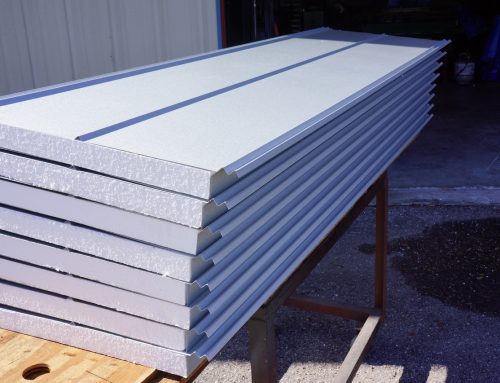
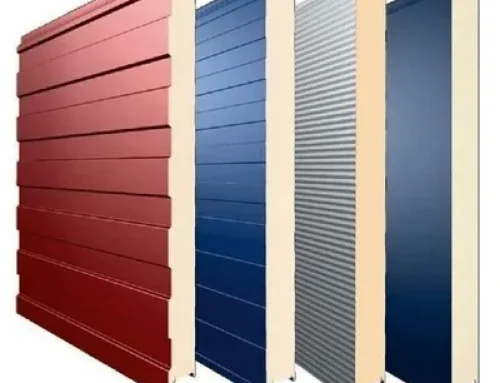
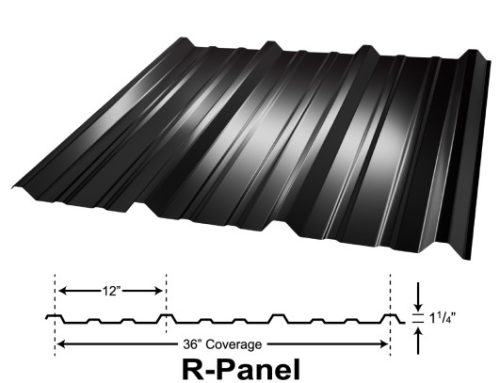
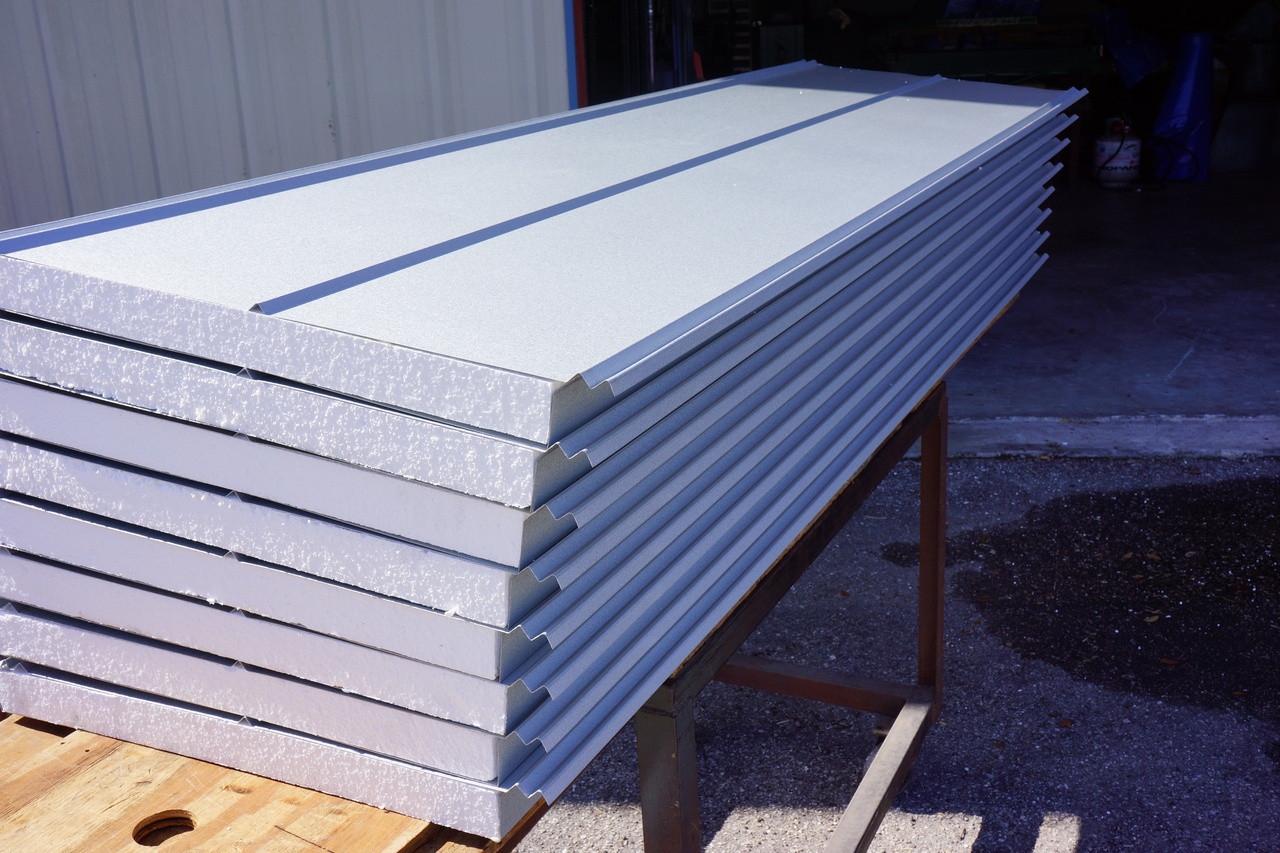
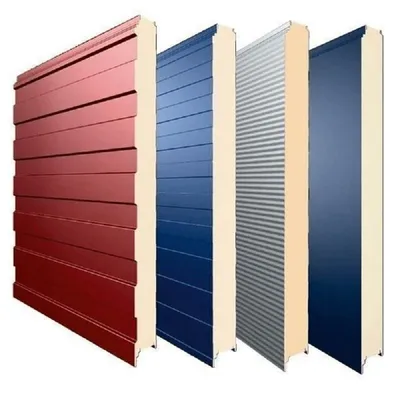
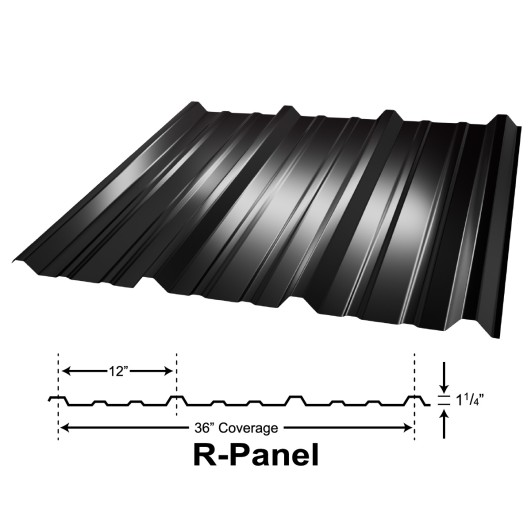
Standard C and Z purlins from a supplier holding domestic inventory: 1 to 3 weeks for quantities up to a few hundred pieces. Custom-length purlins requiring fabrication: add 1 to 2 weeks. Standard R-panels and exposed fastener wall panels from stocked inventory: 1 to 3 weeks. Mega rib panels and specialty profiles: 2 to 6 weeks depending on inventory position. Structural steel including beams, columns, and connection plates: 4 to 10 weeks depending on complexity and fabrication requirements. Insulated metal panels (IMPs): 6 to 14 weeks depending on panel specification and manufacturer.
The Procurement Strategies That Keep Projects on Schedule
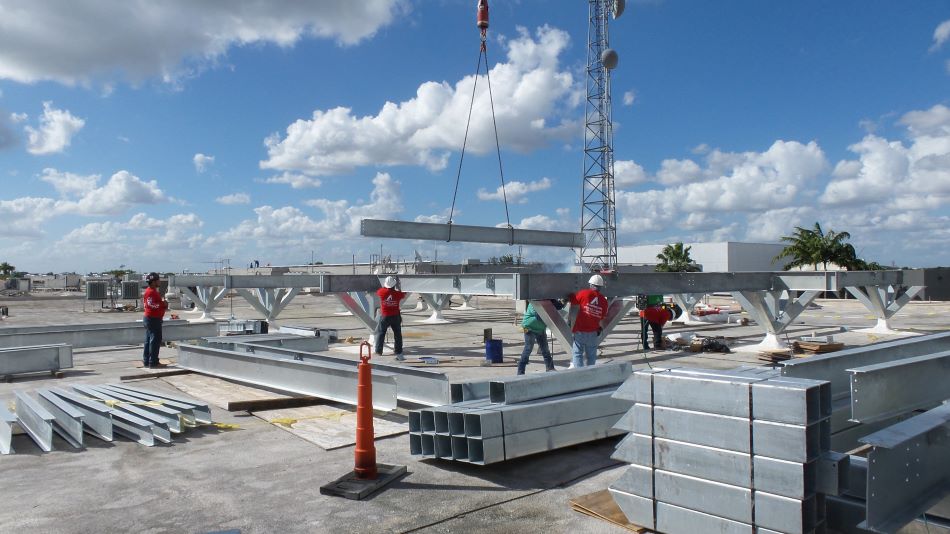
The contractors and project managers who consistently avoid steel-related delays share a few common practices. They confirm material availability at the bid stage, not after contract award. They lock in pricing and delivery commitments in writing before finalizing their project schedule. They build steel delivery into their critical path analysis rather than treating it as a parallel activity.
For american structural metals procurement on large projects, splitting your order into phases is often more effective than a single bulk order. Ordering the first phase early enough to confirm the supply chain is performing, while leaving flexibility on quantities for later phases, balances the risks of early commitment against the cost of delay.
How to Lock in Material Without Over-Ordering
Over-ordering is a real cost. Excess steel requires storage space, carries handling costs, and represents capital tied up in material you may not use for months. The solution is not to over-order speculatively but to work with suppliers who can hold confirmed orders for a defined period, typically 30 to 60 days, with a confirmed price and delivery date.
Some suppliers of american structural metals will hold a release order: you confirm the product, price, and quantity, with shipping releases tied to your project schedule. This provides protection against lead time surprises without requiring you to take early delivery of material your site is not ready for.
Why ASC Is a Strong Partner for 2026 Project Procurement
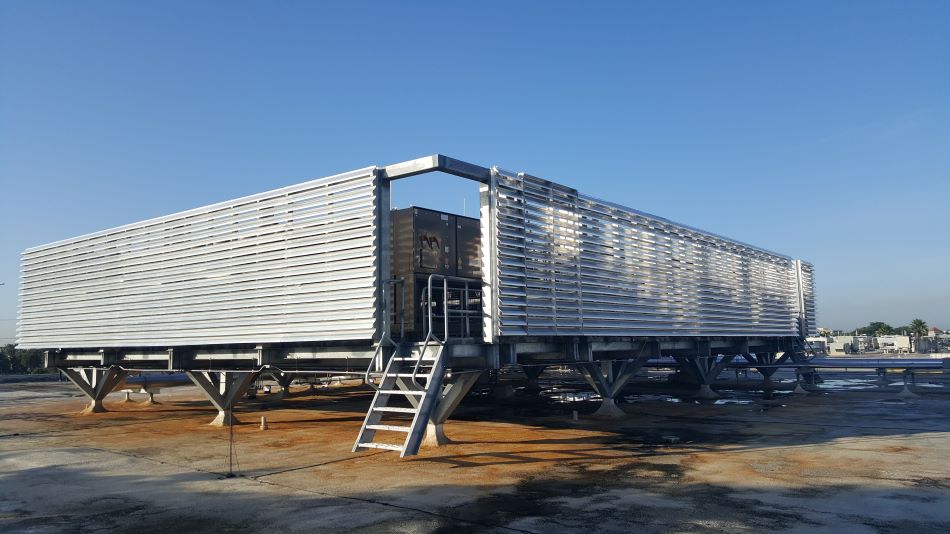
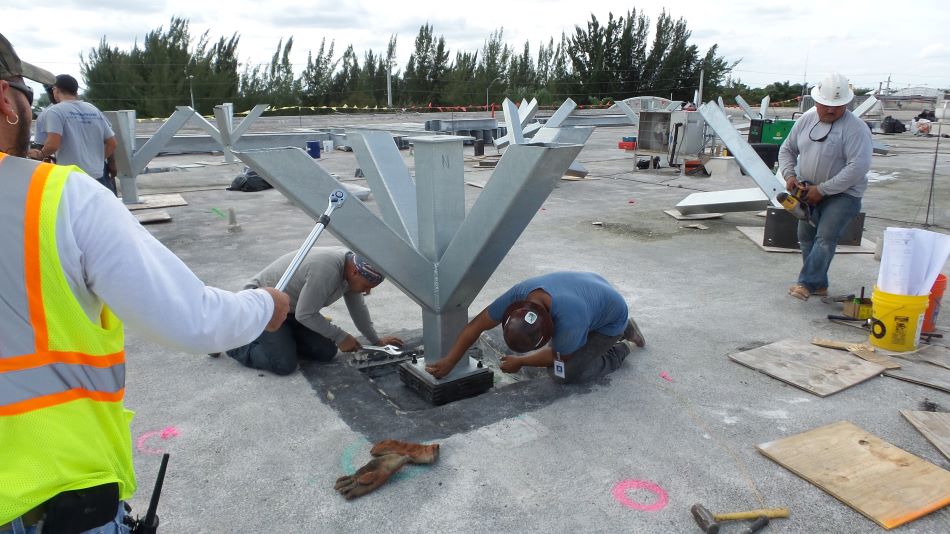
American Structural Co. maintains substantial domestic inventory of C and Z purlins, R-panels, mega rib panels, and insulated panels from their Hialeah, Florida facility. Their position near the Port of Miami also gives them access to import supply that can supplement domestic stock for large project requirements. Learn more about ASC’s supply capabilities on the About ASC page. For fabrication and custom-cut material, see the Steel Fabrication service page. To start a conversation about your 2026 project timeline and confirm current lead times, Contact Us directly.
Frequently Asked Questions
What are typical lead times for american structural metals in 2026?
Standard purlins and panels from stocked inventory: 1 to 3 weeks. Custom fabrication: add 1 to 2 weeks. IMPs: 6 to 14 weeks. Structural steel: 4 to 10 weeks. Confirm with your specific supplier.
How far in advance should I order steel for a commercial project?
For standard items, 4 to 6 weeks before required on site is a reasonable minimum. For custom fabrication, IMPs, or large quantities, 8 to 12 weeks is safer. Structural steel should be ordered concurrent with permit application.
Can I lock in pricing on american structural metals without taking early delivery?
Some suppliers offer release orders that confirm price and quantity with deliveries tied to your schedule. Ask your supplier about this option when placing large orders.
Are steel prices for american structural metals stable in 2026?
Steel pricing follows hot-rolled coil market conditions, which remain subject to volatility from energy costs, trade policy, and demand cycles. Locking in pricing at order confirmation protects against price increases.
What is the best way to avoid steel delays on a large commercial project?
Confirm availability at bid stage, issue purchase orders early, build steel delivery into your critical path, and work with a supplier who holds domestic inventory rather than sourcing on demand.
American structural metals procurement in 2026 rewards contractors who treat steel sourcing as a strategic activity rather than a transactional one. By confirming availability early, locking in pricing and delivery commitments, and working with suppliers who hold domestic inventory, you protect your project schedule against the supply chain variability that still exists in the current market. The cost of early engagement with your steel supplier is minimal. The cost of a two-week steel delay on a large commercial project is not.

Leave A Comment