 866-453-5366
Building with Metal Roof Panels Near Me in Coastal and Hurricane-Zone Markets
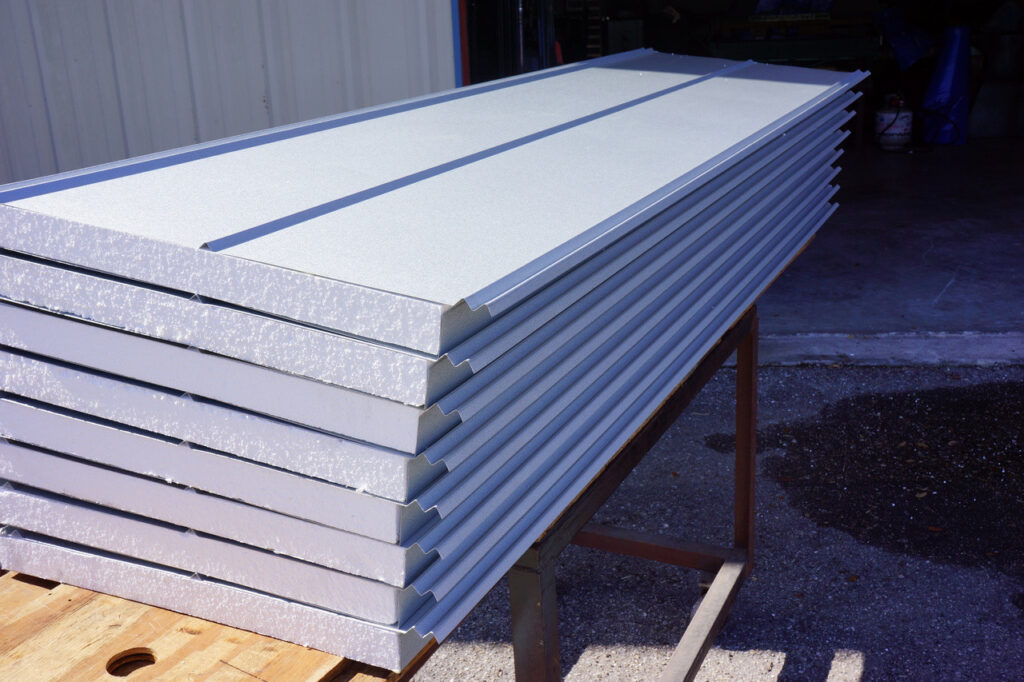
Contractors and developers searching for metal roof panels near me in Florida and Gulf Coast markets face a specification environment that is unlike any other region in the country. Wind uplift requirements, high-velocity hurricane zone (HVHZ) product approvals, coastal exposure categories, and salt-air corrosion all enter the specification simultaneously. Missing any one of these factors can result in failed inspections, insurance claim denials, or panels that deteriorate well before their design life. |
Understanding Florida’s High-Velocity Hurricane Zone Requirements
Miami-Dade and Broward counties in Florida constitute the HVHZ, an area subject to the most stringent wind design requirements in the United States. Metal roof panels used in HVHZ construction must carry a current Miami-Dade Notice of Acceptance (NOA) or Florida Product Approval, which certifies that the panel and attachment system have been tested to perform under HVHZ design wind pressures.
Outside of HVHZ but still in Florida and coastal markets, the Florida Building Code requires products to meet specified wind uplift ratings based on the building’s location, height, and exposure category. Contractors looking for metal roof panels near me in these regions need to verify that the products they are considering carry approvals for the specific wind pressures their building requires, not just a generic approval.
Wind Uplift and Panel Attachment: Where Most Problems Originate
Wind uplift failure in metal roofing systems almost never involves the panel itself pulling apart. The failure mode is almost always at the panel-to-purlin connection or the purlin-to-frame connection. This means that specifying a properly rated panel is only half the equation. The fastener pattern, fastener type, and connection hardware must also be specified and verified to match the approved assembly.
Many product approval documents for metal roof panels near me in Florida include specific tables showing allowable uplift resistance at different fastener spacings. The installer must follow the approved fastener pattern to maintain the uplift rating. Substituting fasteners or changing spacing without engineering approval invalidates the approval.
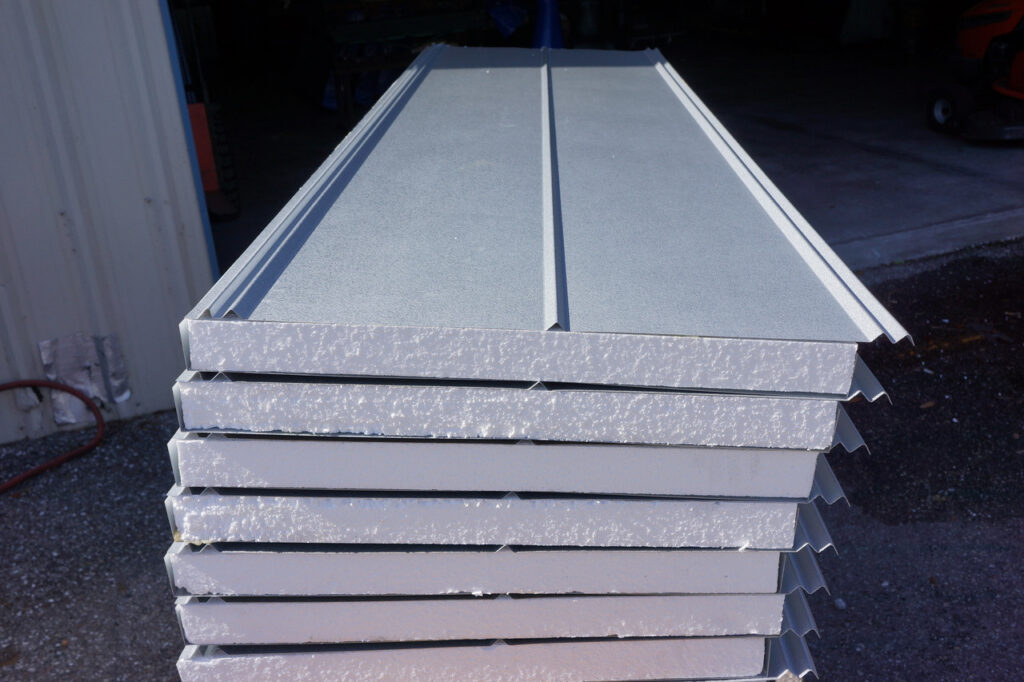
Exposure Categories and What They Mean for Coastal Projects
ASCE 7, the wind loading standard referenced by most building codes, defines exposure categories A through D. Exposure D applies to buildings within 600 feet of open water in hurricane-prone regions, and it represents the highest wind load category. A warehouse located near the Port of Miami or a facility on the Florida Keys is likely in Exposure D, which drives wind pressures significantly higher than an inland project.
Panels and purlins must be specified to match the design wind pressures for the actual exposure category of the project location. Using inland design pressures for a coastal site is an error that will be caught by a competent plan reviewer and will require redesign.
Corrosion Resistance for Coastal Metal Roof Panels
Salt air accelerates corrosion in steel products at a rate that can be 5 to 10 times higher than in inland environments, depending on proximity to the ocean and prevailing wind patterns. Contractors looking for metal roof panels near me in coastal Florida markets should specify Galvalume-coated panels rather than standard galvanized panels for long-term corrosion resistance.
Galvalume is an aluminum-zinc alloy coating that provides superior barrier protection compared to zinc-only galvanizing. In severe coastal environments, additional coating systems such as silicone-polyester or PVDF paint finishes over Galvalume provide the best long-term protection. Steel purlins in coastal applications should be G90 galvanized at minimum, with hot-dipped galvanizing preferred in direct salt-air exposure.
ASC’s Experience in Florida and Coastal Markets
American Structural Co. has supplied metal roofing panels, purlins, and structural steel for projects across South Florida, the Florida Keys, Caribbean, and Gulf Coast markets from their Hialeah facility. Explore past work on the Projects portfolio. For metal building systems designed for coastal and high-wind applications, see the Metal Buildings service page and the Structural Steel Systems service page. To discuss your specific project location and wind requirements, Contact Us to reach ASC’s
Frequently Asked Questions
Do metal roof panels near me in Florida need a Miami-Dade NOA?
In Miami-Dade and Broward counties (HVHZ), yes. Outside HVHZ but within Florida, panels must meet the wind ratings required by the Florida Building Code for the specific project location.
What coating should I specify for metal roof panels near me in coastal environments?
Specify Galvalume coating for the panels themselves. G90 galvanizing for purlins and structural steel. In severe coastal environments, a PVDF or silicone-polyester paint system over Galvalume provides the best long-term corrosion protection.
How does Exposure Category D affect panel and purlin specification for coastal projects?
Exposure D increases design wind pressures substantially compared to Exposure B or C. Panels, purlins, and connections must all be designed for these higher pressures. Use the project’s actual exposure category, not a default assumption.
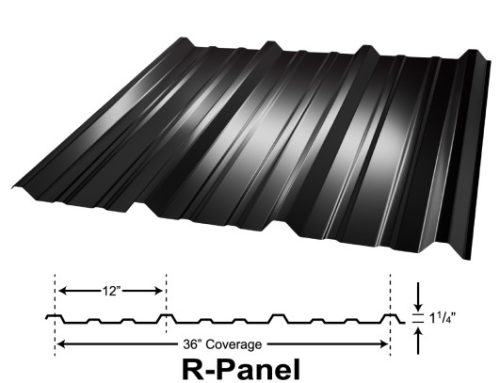
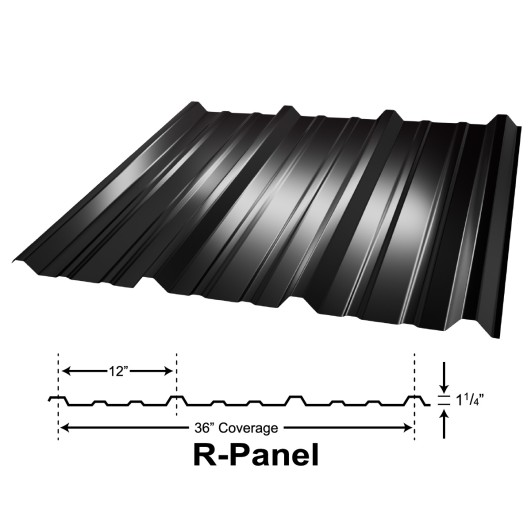
Can standard R-panels meet HVHZ requirements for metal roof panels near me?
Some R-panel products carry NOA approval. Verify the specific panel and attachment system you are specifying carries a current NOA before committing to a product for an HVHZ project.
Who can help me find metal roof panels near me that are rated for Florida coastal conditions?
American Structural Co. serves Florida and coastal markets from their Hialeah facility and can assist with product selection for HVHZ and coastal applications.
Specifying metal roof panels near me in Florida and coastal markets requires attention to wind approval documentation, attachment system compliance, exposure category design pressures, and corrosion-resistant coatings simultaneously. Each of these factors must be addressed in the specification, and each must be verified before installation begins. Working with a supplier who understands coastal construction requirements simplifies this process and reduces the risk of code compliance issues that delay project completion.


Leave A Comment