866-453-5366
When contractors plan a metal building, the framing system matters just as much as the panels that go on top of it. One of the most common questions in structural steel projects is c purlin vs z purlin. Both profiles are widely used in commercial and industrial construction, and both serve important structural roles. The right choice depends on span conditions, load requirements, installation method, and project design.
If you are sourcing framing components for a warehouse, workshop, agricultural building, or commercial structure, understanding c purlin vs z purlin can help you choose the best option for the job. This guide explains how each profile works, where it is used, and what contractors should review before ordering.
What Are Purlins?
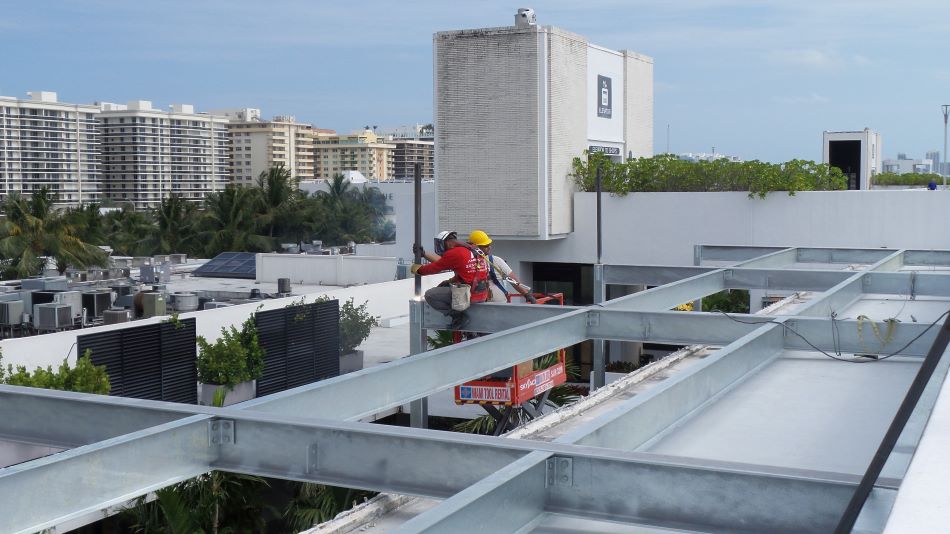
Purlins are horizontal structural members used to support roof and wall systems in metal buildings. They transfer loads from the roof panels to the primary steel frame and help keep the structure stable.
In many projects, purlins are a core part of the framing system because they create the base that supports the exterior envelope. Contractors working with steel purlins for metal buildings need to understand the difference between profile types so they can match the material to the building design.
The two most common shapes are C-shaped and Z-shaped members. While they may look similar at first glance, they behave differently once they are installed and loaded.
C Purlin vs Z Purlin: The Basic Difference
The easiest way to understand c purlin vs z purlin is to look at shape and connection method.
A C purlin has a profile that resembles the letter C. It is usually used in simple span conditions and is often selected for smaller structures or applications where continuity is not a major factor.
A Z purlin has a profile shaped like the letter Z. This design allows for overlapping at supports, which makes it useful in longer spans and more complex roof systems. Because of that, many contractors prefer z purlins for sale when they need flexibility across multiple support points.
When C Purlins Make Sense
C purlins are often selected for projects where the framing layout is straightforward. They can be effective when the structural span is limited and the system does not require continuous lap conditions.
Simple building layouts
For smaller structures or designs with regular spacing, C purlins may be a practical solution.
Straightforward installation
Because of their shape and use case, they can be easier to manage on simpler framing jobs.
Specific structural needs
Some projects benefit from the cleaner geometry of a C section, especially when the load condition is not overly complex.
Contractors should still verify the engineering requirements before selecting any profile. The best choice depends on the building design, not just the profile name.
When Z Purlins Are the Better Fit
For many commercial and industrial buildings, z purlins for sale are often the preferred option because they offer more flexibility at supports. The overlap capability can improve structural continuity and help simplify roof system layout.
Longer spans
Z purlins are commonly used when the structure needs to cover more distance between support points.
Continuous framing
The ability to lap Z sections at supports gives contractors more options during installation and can improve load distribution.
Metal building efficiency
For large projects, steel purlins for metal buildings often include Z sections because they work well with repetitive framing layouts.
Roof system compatibility
Z purlins pair well with many metal roof systems and can help create an efficient support structure for the roof assembly.
Structural Performance Considerations
When comparing c purlin vs z purlin, contractors should not focus only on shape. The real decision should account for performance under load, span conditions, and installation method.
Load transfer
Both profiles help transfer roof loads into the main frame, but Z purlins are often more suitable where continuity is helpful.
Overlapping at supports
One advantage of Z purlins is their ability to overlap at support points, which can make the system stronger and more efficient in certain layouts.
Material efficiency
Depending on the project, one profile may reduce waste or simplify fabrication compared with the other.
Engineering requirements
Every building must be evaluated according to its loads, design criteria, and local code requirements. That is why contractors should always confirm the specification before purchasing.
Installation Differences Contractors Should Know
On the jobsite, the practical differences between c purlin vs z purlin can affect labor time, handling, and layout.
C purlin installation
C purlins are generally easier to think about in basic layouts. They are often used where the framing plan is consistent and the installation path is simple.
Z purlin installation
Z purlins require attention to orientation and overlap, but that flexibility can pay off in larger structures. Contractors often choose them when they need a framing member that works across multiple bays.
Handling and stacking
The shape of each section affects how it is stored, stacked, and installed on site. Crews should plan material handling carefully.
Coordination with panels
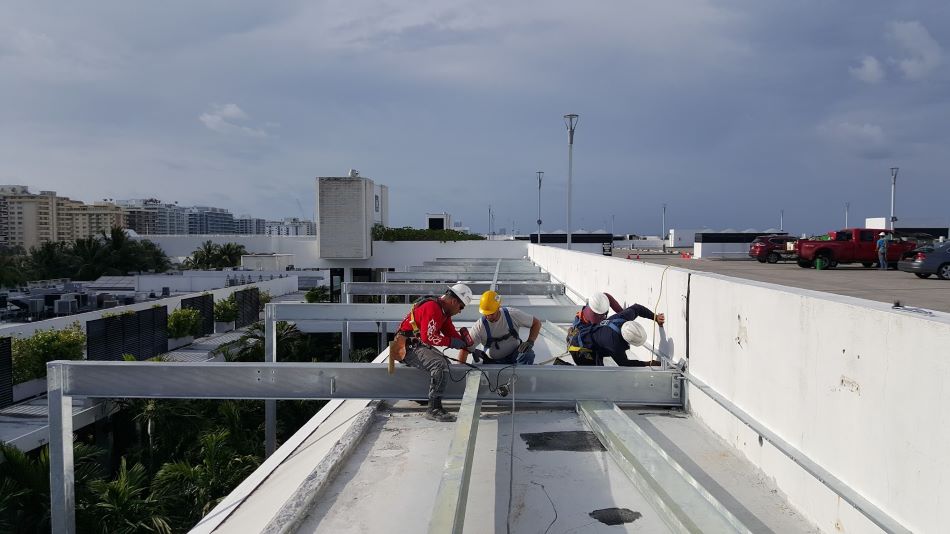
Since purlins support the roof system, spacing and alignment must work with the selected panel profile. That is especially important in buildings using steel purlins for metal buildings with metal roofing assemblies.
How Contractors Choose Between the Two
The decision in c purlin vs z purlin often comes down to structural design and project efficiency. Here are a few practical guidelines contractors can use.
Choose C purlins when:
- the span is relatively simple,
- the project has a straightforward layout,
- and the structural design supports that profile.
Choose Z purlins when:
- the project covers longer spans,
- continuity across supports is needed,
- or the framing system benefits from lapped sections.
This is why many commercial buyers looking for z purlins for sale focus on project-specific engineering rather than just material cost.
Custom Lengths and Project Efficiency
One of the biggest advantages in commercial steel sourcing is the ability to order custom length purlins. For contractors, that can reduce cutting time, lower waste, and help the crew move faster.
Custom lengths are especially useful when:
- the building design is not based on standard dimensions,
- the project requires precise framing coordination,
- or reducing scrap is important to the budget.
When paired with z purlin suppliers that support commercial ordering, custom lengths can improve both material efficiency and installation workflow.
Common Project Types for Purlins
Both C and Z profiles are used across a variety of building types. The best one depends on the structure and the engineering plan.
Metal warehouses
Large commercial buildings often rely on purlins for roof support and panel attachment.
Agricultural structures
Barns, storage buildings, and similar facilities often use steel framing members for practical durability.
Industrial buildings
Factories, workshops, and utility structures commonly use steel purlins for metal buildings because they offer strong support and efficient framing.
Commercial facilities
Retail support buildings, service centers, and other commercial spaces may also use these profiles depending on the design.
Why Supplier Selection Matters
Not all suppliers approach purlins the same way. Contractors sourcing z purlin suppliers should look for more than just inventory. They should evaluate whether the supplier can support the project with accurate sizing, dependable lead times, and commercial pricing.
A good supplier should help with:
- profile selection,
- custom lengths,
- project timing,
- and order accuracy.
That kind of support matters when the framing package is part of a larger construction schedule.
Why Buy from American Structural Corporate
For contractors sourcing c purlin vs z purlin materials, American Structural Corporate offers advantages that help simplify the buying process and support commercial construction schedules.
Nationwide delivery
Material can be shipped to job sites across the country.
Custom lengths
Custom fabrication helps reduce waste and improve install efficiency.
B2B pricing
Contractors benefit from pricing designed for business buyers.
8 business days lead time
Fast turnaround helps keep projects moving and crews on schedule.
Final Takeaway
The c purlin vs z purlin decision should always be based on the structure, the span, and the engineering plan. C purlins work well in simpler layouts, while Z purlins often offer more flexibility and efficiency in larger commercial and industrial projects.
For many builders, z purlins for sale are the preferred choice because they support continuous framing and longer spans. But the right answer always depends on the specific building requirements.
Request a Quote
If you need steel purlins for metal buildings or custom length purlins for your next project, American Structural Corporate can help with nationwide delivery, fast lead times, and B2B pricing. Call 866-453-5366 or request a quote today.