866-453-5366
How Cold Storage Facilities Use Insulated Metal Panels to Meet Thermal and Fire Code Requirements Simultaneously
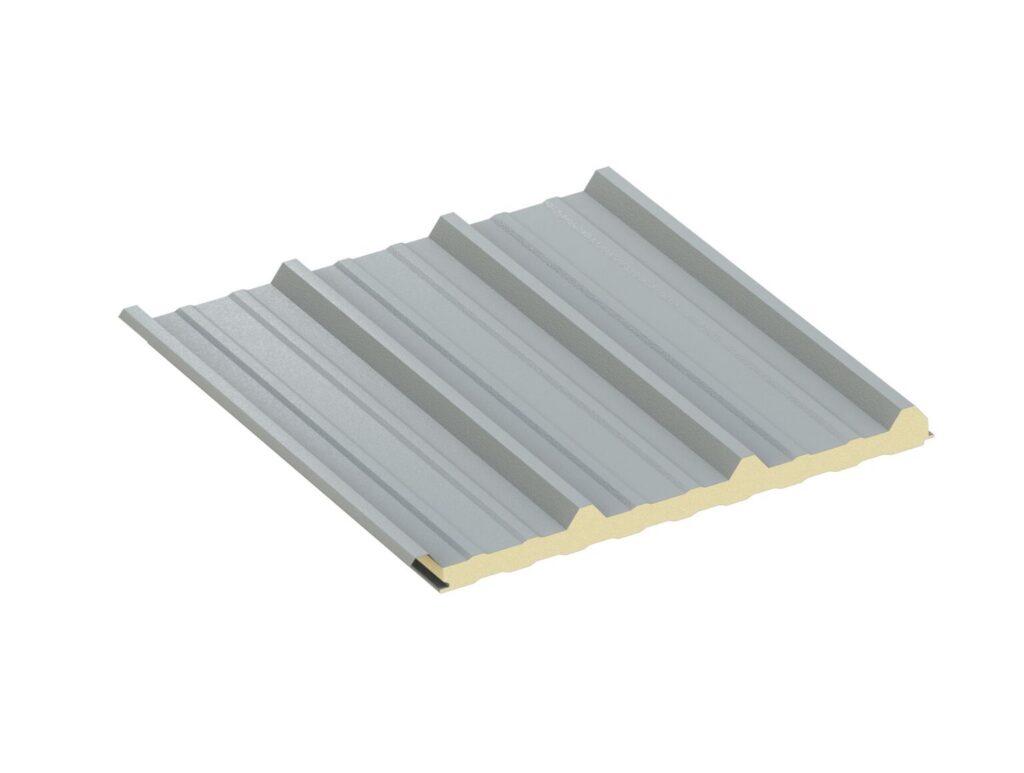
Cold storage construction presents a unique intersection of thermal performance, vapor management, and fire safety requirements that few building systems can satisfy in a single component. Insulated metal panels commercial projects rely on have become the dominant wall and ceiling solution for refrigerated warehouses, food processing facilities, and pharmaceutical cold rooms precisely because they address all three demands in one factory-fabricated assembly. |
Why Cold Storage Construction Demands More Than Standard Insulation
A conventional framed wall with batt insulation and separate vapor barrier works acceptably in conditioned buildings. In a cold storage environment operating at 34 degrees Fahrenheit or below, that assembly fails in multiple ways. Thermal bridging through framing members creates surface temperatures below the dew point, generating condensation inside the wall cavity. Vapor drive from warm exterior air toward the cold interior is relentless, and any breach in the vapor barrier allows moisture to accumulate and freeze inside the wall.
The moisture accumulation that results from inadequate vapor control in cold storage walls destroys insulation R-value over time, generates structural damage, and creates microbial growth conditions that violate food safety regulations. Facilities that attempt to use conventional construction techniques in cold storage environments consistently face expensive remediation within 5 to 10 years of opening.
How Insulated Metal Panels Commercial Projects Rely On Solve These Problems
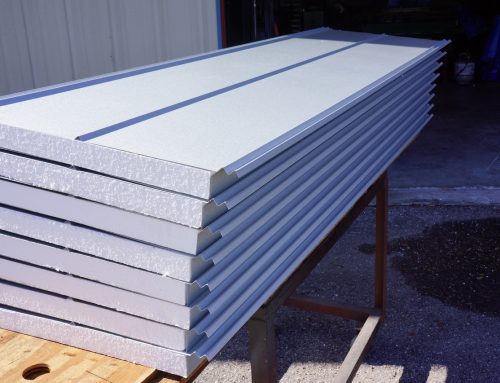
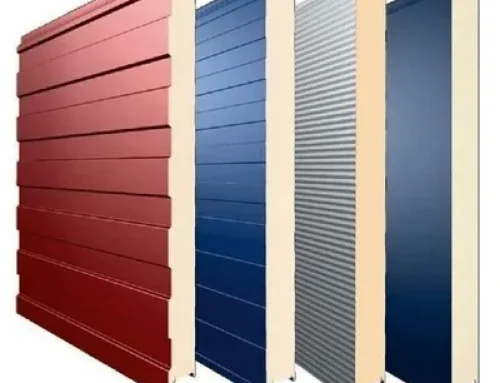
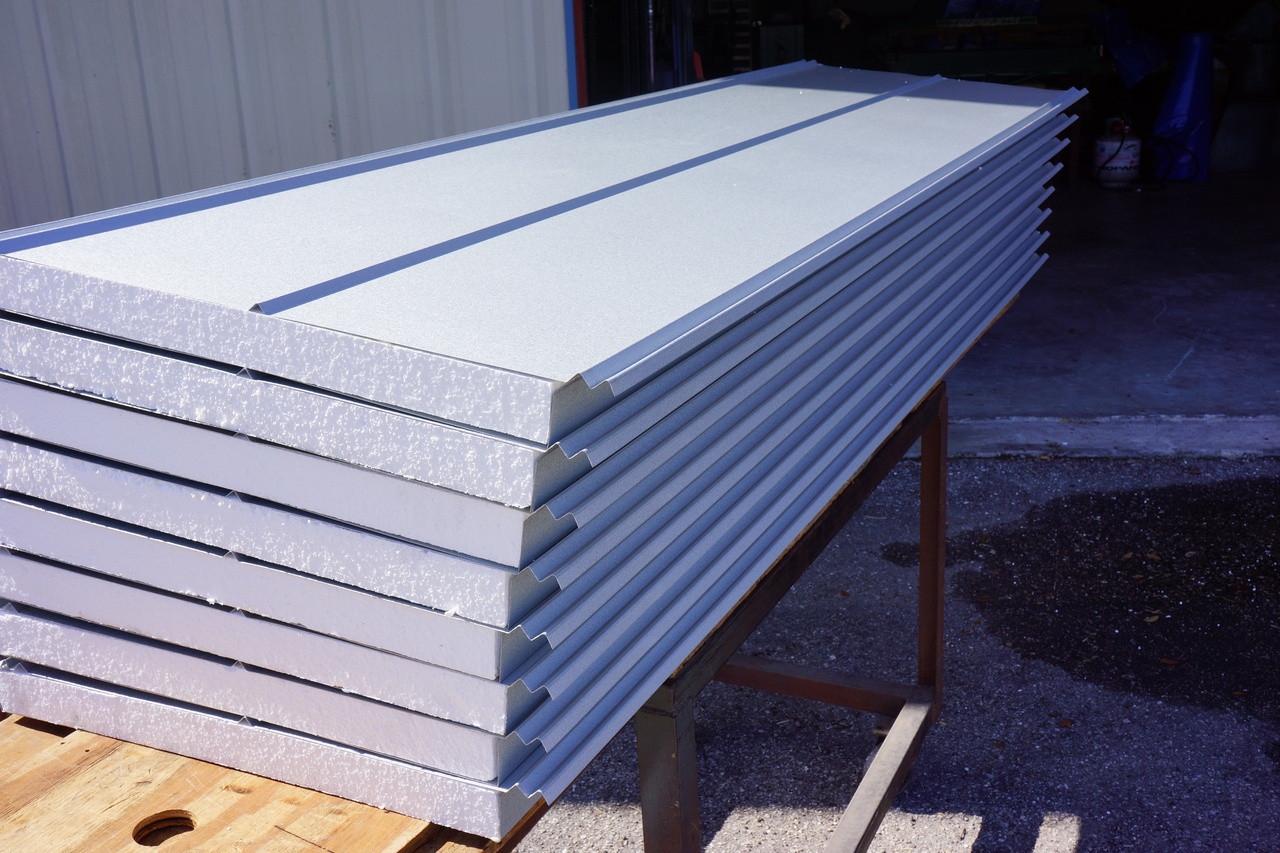
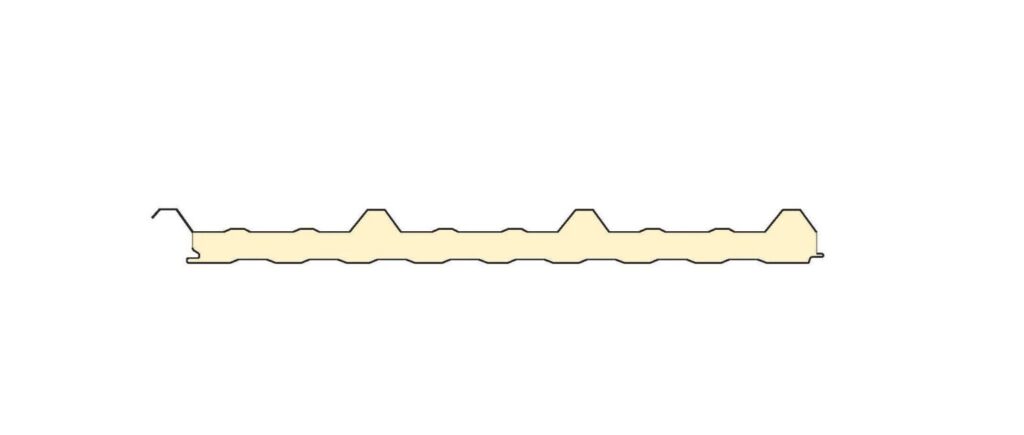
Insulated metal panels, commonly called IMPs, are factory-assembled sandwich panels consisting of two steel facers bonded to a continuous insulation core. The most common core materials for cold storage applications are polyurethane foam (PUR) and polyisocyanurate foam (PIR). Both materials provide high R-values per inch of thickness, typically R-6 to R-7 per inch for polyurethane and slightly higher for polyisocyanurate.
The factory bond between steel facers and foam core creates a monolithic assembly with no thermal bridges, no air gaps, and a built-in vapor retarder on both faces. The panel joints are designed to interlock with minimal thermal bridging at the seam. This is fundamentally different from field-assembled insulation systems where continuity depends entirely on installation quality.
R-Value Selection for Cold Storage Applications
Panel thickness determines R-value, and R-value selection depends on the operating temperature differential between the conditioned interior and the exterior. A standard refrigerated warehouse operating at 34 degrees in a climate where the summer design temperature is 95 degrees faces a 61-degree differential. That differential drives both the cooling load and the vapor drive pressure.
For refrigerator-temperature applications (33 to 50 degrees F), wall panels in the 4-inch range providing approximately R-25 are commonly specified. For freezer temperatures (0 to -10 degrees F), wall panels in the 6-inch range providing R-38 or higher are typical. Blast freezers operating at -40 degrees may require 8-inch or thicker panels. Roof panels should generally be specified at a higher R-value than walls because heat rises and roof heat gain is the dominant driver of refrigeration load.
Fire Code Requirements for Insulated Metal Panels Commercial Buildings
This is where many contractors encounter unexpected complexity. The foam cores used in high-R-value cold storage panels are combustible, which creates fire code compliance challenges. The applicable code requirements depend on occupancy classification, building size, sprinkler coverage, and jurisdiction.
In most U.S. jurisdictions, the IBC requires that foam plastic insulation used in wall and ceiling assemblies be covered by a thermal barrier unless the assembly has been tested and listed as an approved alternative. For cold storage applications, the most common approach is to use IMPs with a polyurethane or PIR core that has been tested under UL 1040 or FM 4880 to demonstrate acceptable fire performance without a separate thermal barrier.
When purchasing insulated metal panels commercial projects require for fire-rated applications, always request the specific UL listing or FM approval number and verify that the panel construction matches what was tested. Minor variations in core density or facer thickness can affect whether a panel qualifies under a given listing.
Documentation to Request From Your Panel Supplier
For cold storage IMP procurement, request the following: thermal performance data sheets showing R-value by panel thickness, fire test reports and listing numbers (UL 1040 or FM 4880), vapor permeance test data, and the panel manufacturer’s technical guide for joint sealing. Code officials in commercial food storage projects frequently request this documentation during permit review.
Working With ASC on Cold Storage Projects
American Structural Co. supplies insulated metal panels for commercial cold storage and food processing applications. The full panel range, including fire-rated and non-rated options, is available through the Insulated and Fire-Resistant Panels category. For cold storage projects requiring specific R-values or fire listing documentation, visit the Cold Storage services page or Contact Us to speak with an ASC panel specialist.
Frequently Asked Questions
What R-value do insulated metal panels commercial cold storage projects typically require?
R-value requirements depend on operating temperature and climate. Refrigerator-temperature spaces typically use R-25 minimum. Freezer spaces use R-38 or higher. Blast freezers may require R-50 or above.
Are insulated metal panels commercial cold storage buildings use compliant with food safety regulations?
Yes, when properly specified and installed. IMPs with smooth metal facers resist moisture, are cleanable, and do not harbor microbial growth. Many panels carry NSF certifications for food handling environments.
Do cold storage IMP panels require a separate vapor barrier?
No. The factory-bonded steel facers and foam core create an integral vapor retarder. Proper joint sealing at panel connections maintains vapor continuity without a separate barrier.
What fire rating can insulated metal panels commercial projects achieve?
Panel systems tested under UL 1040 or FM 4880 can qualify for use without a separate thermal barrier in many jurisdictions. Specific fire ratings depend on the tested assembly. Always verify listing numbers with your supplier.
How thick should IMP panels be for a -10 degree F freezer?
For a -10 degree F freezer in a warm climate, 6-inch panels providing approximately R-38 are commonly specified for walls, with 8-inch panels for the roof. Confirm with your mechanical engineer based on actual cooling load calculations.
Insulated metal panels commercial cold storage projects depend on are not simply an insulation product. They are a complete wall and ceiling system that simultaneously delivers thermal performance, vapor control, structural integrity, and fire code compliance. For cold storage applications, they are the most reliable way to meet all four requirements without the coordination challenges and field variability of conventional construction. Specify panel thickness and fire listing based on your operating temperature, climate, and applicable code, and always request supporting documentation from your supplier.