 866-453-5366
Metal building purlins: Load Calculations, Framing Layouts, and What Suppliers Often Miss
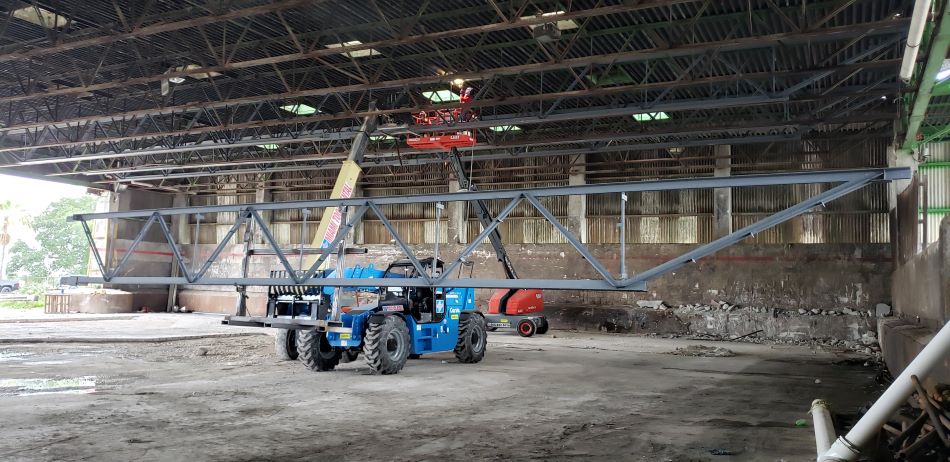
Using metal building purlins in mezzanine framing applications requires a design approach that is fundamentally different from roof framing. The load conditions, deflection limits, span configurations, and attachment details all change when purlins transition from overhead roof structure to a floor-supporting mezzanine system. Most suppliers focus on roof applications, and that gap in knowledge creates real problems for contractors who need purlins that perform correctly in an elevated floor context. |
How Mezzanine Purlins Differ From Roof Purlins
In a roof application, the governing loads are typically gravity (dead and live) plus wind uplift. Deflection limits for roofs under live load are commonly L/240. Mezzanines carrying floor loads face different requirements. The IBC specifies live load deflection limits of L/360 for floors, which is 50 percent more restrictive than the roof standard. This tighter deflection limit changes the purlin sizing significantly.
Floor live loads are also higher than roof live loads in most applications. While a commercial roof might be designed for 20 psf live load, a mezzanine floor used for storage or light manufacturing is typically designed for 125 psf or more. The combination of higher load and tighter deflection limit pushes mezzanine metal building purlins to much heavier sections than equivalent roof framing.
Typical Load Requirements for Mezzanine Purlins
The appropriate design live load depends on the intended use of the mezzanine. Storage applications typically require 125 psf minimum. Office occupancy on a mezzanine is designed for 50 psf. Light manufacturing or assembly areas fall in the range of 75 to 125 psf. Heavy equipment platforms may exceed 200 psf and require custom engineering beyond standard purlin span tables.
Dead loads for mezzanine framing include the metal deck, concrete topping if applicable, fire protection if sprayed on the framing, and the weight of the purlins themselves. These are typically lighter than the live load component but must be included in the total design load.
Purlin Spacing for Mezzanine Systems
Mezzanine purlin spacing is determined by the metal deck or floor panel spanning capability. Metal deck used for mezzanine floors typically spans 5 to 10 feet depending on gauge and profile. Shorter spans allow lighter gauge deck but require more purlins; longer spans require heavier deck but fewer purlins. The economically optimal spacing depends on the relative cost of additional purlins versus upgraded deck.
For a typical storage mezzanine with 125 psf live load, purlin spacing of 6 to 8 feet is common using standard metal deck profiles. Verify that your deck manufacturer’s load tables support the required span at your design load before finalizing purlin spacing.
Why Custom-Length Metal Building Purlins Are Essential for Mezzanines
Roof framing on a new building is designed around standard bay spacing that often aligns with common purlin stock lengths of 20, 25, or 30 feet. Mezzanine framing is almost always installed inside an existing building with column spacings, aisles, and equipment clearances that do not align neatly with standard stock lengths.
A mezzanine spanning 23 feet 4 inches between columns needs purlins cut to that length, not 25-foot purlins field-notched or waste-cut on site. Custom-length metal building purlins eliminate field cutting errors, reduce material waste, and produce cleaner framing connections.
Connection Details That Mezzanine Purlins Require
Mezzanine purlins must transfer both gravity loads and any lateral forces to the supporting structure. End connections are typically welded clip angles or bolted bearing plates, depending on whether the support structure is steel or concrete. Interior connections at intermediate supports in continuous-span systems require connection details that allow some rotation while maintaining load transfer.
For modular or expandable mezzanine systems, connection design should anticipate future loading from additional bays. Engineering for future expansion at the outset is far less expensive than retrofitting connections later.
Sourcing Purlins for Mezzanine Projects Through ASC
American Structural Co. supplies both C and Z purlins cut to custom lengths for mezzanine applications. The Mezzanine Systems service page outlines ASC’s capabilities for elevated floor framing projects. For product specifications, visit the C Purlin product page and Z Purlin product page. To discuss custom lengths and project requirements, use the Contact Us page to reach the ASC technical team.
Frequently Asked Questions
Can standard metal building purlins be used for mezzanine framing?
Yes, but they must be selected based on mezzanine-specific load requirements and deflection limits, which differ significantly from roof applications. Do not use roof purlin span tables for mezzanine design.
What deflection limit applies to mezzanine purlins?
The IBC requires L/360 deflection limit under live load for floor systems, compared to L/240 for roofs. This more restrictive limit typically requires heavier purlins than equivalent roof framing.
How do I specify custom-length metal building purlins for a mezzanine project?
Contact a wholesale supplier with fabrication capability. Provide the required length, depth, gauge, and quantity. A reputable supplier can cut to order and certify the material.
What live load should I design mezzanine purlins for?
Typical values are 125 psf for storage, 50 psf for office, and 75 to 125 psf for light manufacturing. Confirm with your engineer based on actual intended use.
Are C purlins or Z purlins better for mezzanine framing?
Both can be used. C purlins are common for simple-span mezzanine framing. Z purlins are typically used in continuous-span applications but can also serve in mezzanines where their nesting properties are advantageous.
Conclusion
Metal building purlins perform reliably in mezzanine systems when they are selected based on mezzanine-specific load conditions and deflection requirements. The key differences from roof applications are higher design loads, more restrictive deflection limits, and the frequent need for custom lengths to work within existing building geometry. Suppliers who offer custom cutting and can provide technical specification support are essential partners for these projects.
Metal building purlins perform reliably in mezzanine systems when they are selected based on mezzanine-specific load conditions and deflection requirements. The key differences from roof applications are higher design loads, more restrictive deflection limits, and the frequent need for custom lengths to work within existing building geometry. Suppliers who offer custom cutting and can provide technical specification support are essential partners for these projects.



Leave A Comment