866-453-5366
Galvanized Steel Purlins: What Every Contractor Should Evaluate Before Buying in Bulk
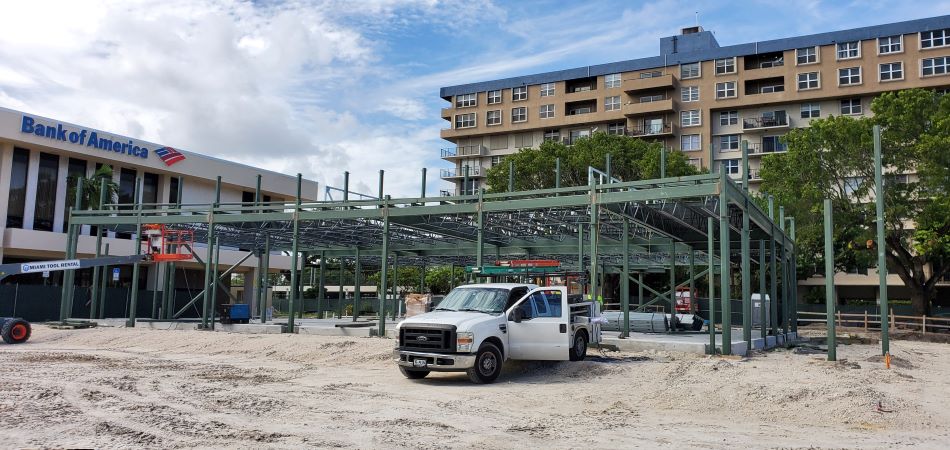
When you are sourcing galvanized steel purlins for a commercial or industrial project, the unit price on a quote sheet tells only part of the story. The real cost of a bad purlin purchase shows up on the job site, in warranty claims, or in a failed inspection. Contractors and procurement managers who buy in bulk need to look past the surface and evaluate what actually separates a quality purlin from a liability. |
Why Galvanized Steel Purlins Require Closer Inspection at Scale
Purlins are the horizontal structural members that support roof decking and wall cladding in metal buildings. They transfer loads from the roof surface down to the primary framing, and in most commercial applications they run the full length of a building. A mistake at the sourcing stage affects every square foot of roof you install.
At small quantities, you can work around a minor inconsistency. At scale, a coating variation across hundreds of pieces, or a gauge that runs thin at the edges, becomes a structural and warranty issue. This is why bulk buyers need a more rigorous evaluation process than what most suppliers volunteer.
Galvanized Coating: What the Numbers Actually Mean
The galvanizing designation tells you how much zinc is applied to the steel surface. G60 and G90 are the two most common grades you will encounter in commercial construction. G60 means 0.60 ounces of zinc per square foot of steel surface. G90 means 0.90 ounces per square foot.
In exterior applications, coastal environments, or any project where the purlins will be exposed to humidity, salt air, or condensation, G90 is the appropriate minimum. G60 is acceptable in dry interior applications but should not be used in coastal or industrial environments where corrosion resistance is a functional requirement.
When evaluating suppliers, ask for mill test reports that confirm the coating weight on the specific coil or bundle you are purchasing. Reputable wholesale suppliers can provide this documentation. If a supplier cannot produce mill certification for galvanized steel purlins, that is a significant red flag.
Steel Grade and Yield Strength
Cold-formed steel purlins are typically produced from ASTM A653 or A792 steel. For structural purlins, you want a minimum yield strength of 33 ksi, with 50 ksi being common in higher-grade applications. The yield strength determines how much load the purlin can carry before it permanently deforms.
Do not assume that because a purlin looks identical to a higher-grade piece it carries the same load rating. Always request the material grade specification as part of your purchase documentation. This matters especially when your engineer has specified purlins to carry defined live and dead loads, because substituting a lower-grade steel will void the engineering basis of your structure.
Dimensional Tolerances and Gauge Consistency
A C or Z purlin is roll-formed from flat steel coil. The manufacturing process should produce consistent dimensions within tight tolerances. Problems arise when a supplier sources from multiple mills or uses substandard coil, resulting in purlins that vary in depth, flange width, or wall thickness across a bundle.
When buying galvanized steel purlins in bulk, request the dimensional tolerances the supplier holds to. For commercial structural applications, depth variation should be within plus or minus 1/8 inch and thickness should match the specified gauge within ASTM tolerance standards. If a supplier cannot state their tolerances, assume they are not measuring them.
The Real Cost Comparison: Wholesale vs. Retail Sourcing
For a project requiring 300 pieces of 8-inch Z purlins at 25 feet each, the difference between a retail lumber yard price and a true wholesale price is substantial. Beyond the per-piece price, wholesale suppliers often provide better lead times on large orders, consistent inventory across an entire project, and the ability to order custom lengths that reduce field cutting waste.
The economics of buying galvanized steel purlins wholesale become clearest when you factor in delivery cost, availability, and whether the supplier can service multiple phases of a project from the same inventory. For specifications on standard C and Z sections, visit the C Purlin product page or the Z Purlin product page to review available depths and gauges.
Questions to Ask Any Purlin Supplier Before Placing a Bulk Order
Before committing to a large purchase, get clear answers on the following. Can they provide mill certifications for coating weight and steel grade? Do they stock inventory domestically or are they importing on demand? What is their actual lead time on your quantity, not a best-case estimate? Do they cut to custom lengths, and at what additional cost? Can they guarantee consistent lot sourcing for a multi-phase project?
A supplier who hesitates on any of these questions deserves additional scrutiny. Established wholesale suppliers of galvanized steel purlins answer these questions without hesitation because they have the documentation and inventory systems to support them.
Why ASC Is the Right Choice for Bulk Purlin Procurement
American Structural Co. stocks C and Z galvanized steel purlins in a full range of depths and gauges from their Hialeah, Florida facility. They serve contractors across the continental U.S., Caribbean, and Latin America with competitive wholesale pricing, domestic inventory, and the documentation your projects require. Custom lengths are available through their Steel Fabrication services department. Contact Us to discuss your project requirements and receive a wholesale pricing quote.
Frequently Asked Questions
What is the difference between G60 and G90 galvanized steel purlins?
G60 and G90 refer to the zinc coating weight. G90 has a heavier coating and provides better corrosion resistance, making it the appropriate choice for exterior, coastal, or high-humidity applications.
What steel grade should I specify for structural galvanized steel purlins?
For most commercial structural applications, specify ASTM A653 or A792 with a minimum yield strength of 33 ksi. Higher-load applications may require 50 ksi material. Always confirm with your engineer of record.
How do I verify the galvanizing quality on a bulk order?
Request mill test reports from your supplier. These documents confirm the coating weight and steel grade of the specific material you are purchasing. A reputable supplier can produce these without delay.
Are custom-length galvanized steel purlins available from wholesale suppliers?
Yes. Most established wholesale suppliers offer custom cutting. Custom lengths reduce field waste and can improve installation efficiency on projects with non-standard bay spacing.
What is the lead time for a bulk order of galvanized steel purlins?
Lead times vary by supplier and quantity. Suppliers who stock domestic inventory can typically fulfill large orders faster than those importing on demand. Confirm lead times in writing before committing to a project schedule.
Buying galvanized steel purlins in bulk is a high-stakes procurement decision that directly affects structural performance, project timelines, and long-term warranty exposure. By evaluating coating weight, steel grade, dimensional consistency, and supplier documentation practices before placing an order, you protect your projects and your margins. Work with a wholesale supplier who can provide the certifications and inventory reliability your projects demand.