866-453-5366
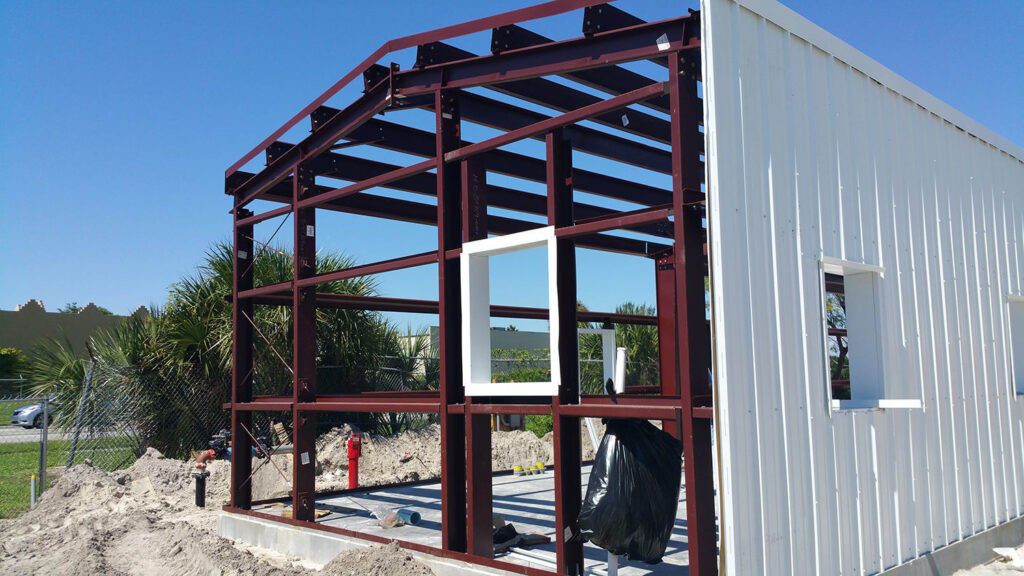
Getting purlin spacing for metal roof systems right is one of the most important parts of a successful commercial or industrial build. If spacing is too wide, the roof panel may not perform as intended. If spacing is too tight, you may end up using more material than necessary and increasing project cost. For contractors, the right spacing is about balancing structural support, installation efficiency, and code compliance.
This guide explains the main factors that affect purlin spacing for metal roof applications, how purlins work with roof panels, and what builders should review before specifying a layout. Whether you are working on a warehouse, a metal building, or a commercial facility, proper spacing helps protect the structure and improve long-term performance.
What Purlins Do in a Metal Roof System
Purlins are horizontal framing members that support roof panels and transfer loads to the main structural frame. In a metal roof system, they are a critical part of the support structure because they help determine how the roof handles weight, wind, and long-term stress.
When contractors think about purlin spacing for metal roof design, they are really deciding how much support each panel will receive between structural members. That spacing affects both the roof’s performance and the amount of steel needed for the project.
In many commercial jobs, steel purlins for metal buildings are used because they offer dependable support and work well with a variety of panel systems. The spacing plan must be matched to the specific profile being installed, not just the general building type.
Why Spacing Matters
Proper spacing is not just a technical detail. It directly affects the quality and durability of the finished roof.
Panel performance
Metal roof panels need the right support underneath them to resist deflection and movement. If the purlins are too far apart, the panel may not perform properly under load.
Wind resistance
In many regions, wind uplift is a major concern. Correct purlin spacing for metal roof systems helps the assembly handle environmental stress more effectively.
Structural efficiency
Spacing also affects how much material is required. The goal is to provide enough support without overbuilding the frame.
Installation accuracy
Consistent spacing makes panel installation easier and helps crews maintain alignment across the roof.
Factors That Affect Purlin Spacing
There is no single spacing rule that works for every project. Contractors need to review several variables before finalizing the layout.
Panel type
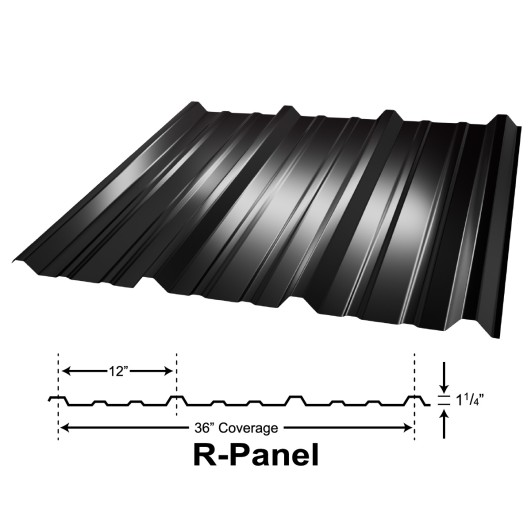
Different roof panels require different levels of support. A more rigid panel may allow wider spacing than a lighter profile.
Building loads
Snow, wind, and live loads all affect the spacing plan. The structure must be designed to handle local conditions.
Span length
Longer spans may require closer spacing or a different framing approach.
Roof slope
The pitch of the roof can influence how the load is distributed and how the panel system behaves.
Project specifications
Engineering requirements and local code rules always take priority over general guidelines.
C and Z Profiles in Spacing Plans
When discussing purlin spacing for metal roof projects, contractors often work with both C and Z profiles. The profile type can influence how the framing is laid out and how the material is connected.
C purlin vs Z purlin decisions often come down to span conditions and support continuity. C sections may be better in simpler layouts, while Z sections are often used in larger structures where overlap and continuity are useful.
For contractors sourcing z purlins, the spacing plan should reflect the specific loads and the roof panel requirements. The profile shape itself does not replace engineering; it simply gives the builder different framing options.
Common Spacing Considerations for Contractors
While exact numbers depend on engineering, contractors can think through spacing by asking the right questions during design and procurement.
What roof panel is being used?
The panel profile, thickness, and intended use all matter.
What is the building’s environment?
A roof in a high-wind area may need closer support than one in a mild climate.
Is the roof structural or non-structural?
The type of assembly changes the way spacing should be approached.
Are custom lengths available?
Using custom length purlins can improve efficiency and help reduce field cutting.
Does the supplier understand the application?
Working with experienced z purlin suppliers can help ensure the material matches the project requirements.
Why Closer Spacing Can Be Better
In some cases, tighter spacing is the safer and more practical choice. Contractors may choose closer purlin spacing for metal roof assemblies when the project involves higher loads, thinner panels, or more demanding conditions.
Better panel support
Closer support can reduce panel flex and help the roof feel more secure.
Improved load distribution
More support points can help spread loads across the structure more evenly.
Better long-term reliability
In demanding environments, a more conservative spacing plan may improve performance over time.
When Wider Spacing May Work
Wider spacing can make sense when the design allows it and the panel system is built for that condition. In these cases, steel purlins for metal buildings may be spaced farther apart to reduce material use and speed up framing.
Lower material use
Fewer framing members can reduce steel quantity.
Faster installation
Less framing can mean less labor on the structure.
Efficient use of engineered systems
When the roof panel and frame are designed together, wider spacing may still meet performance requirements.
Mistakes Contractors Should Avoid
Even experienced crews can run into issues if spacing is not planned correctly. A few common mistakes can create problems later.
Guessing spacing on site
Spacing should be based on engineering, not assumptions.
Mixing panel and framing specs
The roof panel and purlin layout must work together as a system.
Ignoring local loads
Wind and snow conditions must be considered from the start.
Using the wrong profile
Choosing between c purlin vs z purlin without reviewing the span or support conditions can lead to inefficiency or poor fit.
Why Custom Fabrication Helps
In commercial construction, custom length purlins can make a major difference in jobsite efficiency. Instead of cutting material on site, contractors can receive pieces sized for the project, which can save time and reduce waste.
Custom lengths also help with:
- cleaner installation,
- fewer field adjustments,
- better material planning,
- and improved labor control.
For builders working with z purlin suppliers, this can be especially valuable on large or repetitive projects.
Why Buy from American Structural Corporate
For contractors managing purlin spacing for metal roof projects, American Structural Corporate offers material support that fits commercial construction needs.
Nationwide delivery
Material can be shipped across the country to keep projects moving.
Custom lengths
Custom sizing helps reduce waste and simplify installation.
B2B pricing
Contractors get pricing built for business purchasing.
8 business days lead time
Fast turnaround helps reduce delays on active jobs.
Final Advice for Contractors
The right purlin spacing for metal roof systems depends on the roof panel, the loads, the structure, and the engineering plan. There is no one-size-fits-all answer, which is why contractors should always confirm spacing before ordering or installing material.
In general, closer spacing offers more support, while wider spacing can improve efficiency when the design allows it. The best choice is the one that balances performance, cost, and installation speed.
Request a Quote
If you need steel purlins for metal buildings or custom length purlins for your next project, American Structural Corporate can help with nationwide delivery, fast lead times, and B2B pricing. Call 866-453-5366 or request a quote today.