866-453-5366
Z Purlin Dimensions Explained: How to Match Dimensions to Your Roof Load Requirements
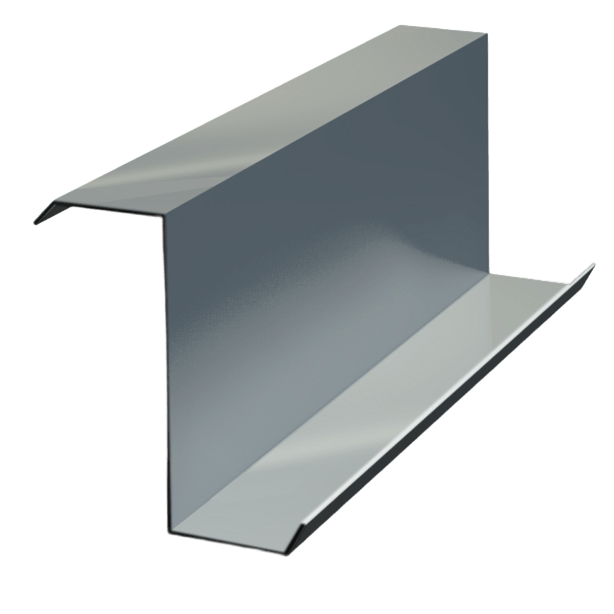
Choosing the wrong z purlin dimensions is one of the most common specification errors in metal roof framing, and it can result in deflection problems, failed inspections, or costly rework after steel is already on the roof. Understanding how purlin depth, gauge, and span interact with actual roof loads is the foundation of correct purlin selection. |
What Z Purlin Dimensions Actually Refer To
A Z purlin has a distinctive Z-shaped cross section, with a web in the middle and flanges on opposite sides that angle in different directions. When someone references z purlin dimensions, they are typically referring to three primary measurements: the web depth, the flange width, and the wall thickness expressed as a gauge.
Web depth is the most critical dimension from a structural standpoint. Common commercial sizes range from 4 inches to 12 inches in depth. Deeper purlins have greater moment of inertia and can carry higher loads over longer spans. Flange width affects the stability of the section and its connection to the roof deck. Wall thickness, expressed in gauge, determines the overall weight and strength of the purlin.
Standard Z Purlin Sizes in Commercial Construction
The most commonly stocked z purlin dimensions in commercial supply chains are 6-inch, 8-inch, 10-inch, and 12-inch web depths. Within each depth, purlins are available in multiple gauges, typically 16, 14, and 12 gauge for structural applications. The combination of depth and gauge determines the section properties that your engineer will use to verify load capacity.
A 6-inch Z purlin in 16 gauge is suitable for shorter spans with moderate loads. An 8-inch purlin in 14 gauge handles medium spans under typical commercial loading. A 12-inch purlin in 12 gauge is appropriate for wide-bay industrial buildings with significant dead loads from insulation, lights, and HVAC equipment hanging from the roof structure.
How Span Length Drives Z Purlin Dimension Selection
Span is the distance between purlin supports, which corresponds to the bay spacing of your primary structure. Longer spans require deeper, heavier purlins to control deflection within code-allowable limits. The most commonly referenced deflection limit for roofs is L/240, meaning total deflection cannot exceed the span length divided by 240.
For a 25-foot span, L/240 allows a maximum deflection of 1.25 inches. An undersized purlin will deflect beyond this limit under snow, ponding, or mechanical loads, creating drainage problems and potentially voiding your roofing system warranty. Selecting z purlin dimensions based only on strength without checking deflection is a common mistake.
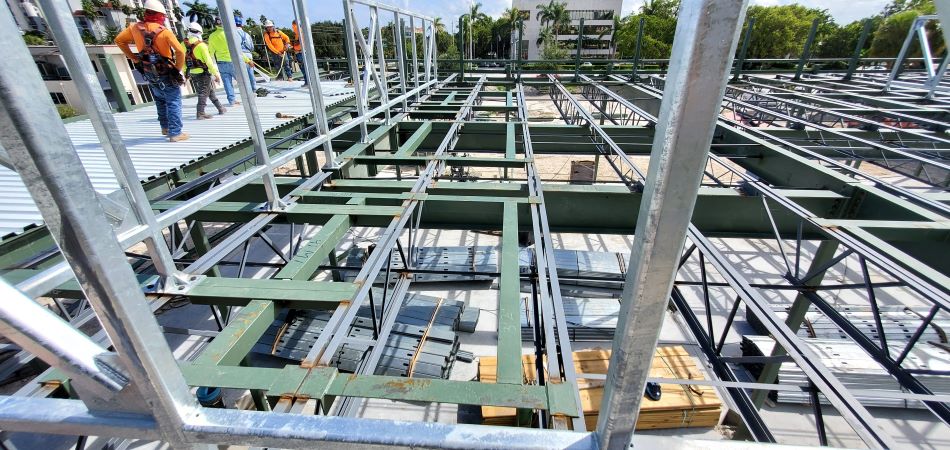
Roof Pitch and Its Effect on Purlin Selection
Low-slope roofs, typically those below 1:12 pitch, are more susceptible to ponding loads than steeper roofs. Ponding occurs when initial deflection creates a low point that collects water, which adds load that causes more deflection, accelerating the process. Low-slope applications require purlins with sufficient stiffness to prevent this self-reinforcing cycle.
Steeper roofs shed water quickly and generate higher wind uplift forces rather than ponding loads. For steep-slope applications, the governing load case may shift to uplift, which affects how the purlin is connected to the primary frame. Understanding your roof pitch helps determine which load case controls the design and therefore which z purlin dimensions are appropriate.
Dead Load vs. Live Load: What Goes Into the Calculation
Dead loads include everything permanently attached to the roof: the metal deck, insulation, purlins themselves, and any mechanical equipment. Live loads include people, equipment, and snow in applicable climate zones. The governing building code for your project, whether IBC or a local amendment, specifies the minimum live loads you must design for.
In Florida and similar Gulf Coast markets, snow load is not a factor, but wind uplift from hurricane-force events is. In Colorado or Minnesota, ground snow load drives purlin sizing. Always clarify which load combinations govern before finalizing your z purlin dimensions specification.
When to Use a Sizing Chart vs. When to Consult an Engineer
Manufacturer span tables and sizing charts are useful tools for preliminary selection. They present maximum allowable spans for specific purlin sizes under standard load assumptions. These charts are appropriate for straightforward applications where loads match the chart assumptions and the building is in a standard risk category.
Engineer involvement becomes necessary when loads are non-standard, spans are unusually long, the building is in a high-wind or seismic zone, or the roof will carry significant attached equipment. In these situations, relying on a span table without engineering review creates liability exposure.
Ordering Z Purlins: Communicating Dimensions Clearly to Your Supplier
When placing a purlin order, specify web depth, gauge, length, and coating. For example: 8-inch Z purlin, 16 gauge, 25 feet, G90 galvanized. If you require nested pairs for lapped splice conditions, specify that as well. View the full range of available sizes on the Z Purlin product page, or contact ASC’s Steel Fabrication / Custom Cutting team for non-standard length requirements.
Frequently Asked Questions
What are the standard z purlin dimensions available for commercial projects?
Standard web depths range from 4 to 12 inches. The most common commercial sizes are 6, 8, 10, and 12 inch depths, each available in multiple gauges from 12 to 16 gauge.
How do I determine which z purlin dimensions my project requires?
The correct size depends on bay spacing, design loads, roof pitch, and applicable code requirements. Use manufacturer span tables for preliminary selection, then confirm with your engineer of record for non-standard conditions.
What does the gauge number mean for z purlin dimensions?
Gauge refers to the wall thickness of the purlin. Lower gauge numbers mean thicker steel. 12 gauge is thicker and heavier than 16 gauge. Thicker sections carry more load but cost more per linear foot.
Can z purlins be ordered in custom lengths?
Yes. Most wholesale suppliers offer custom cutting to reduce field waste. Custom lengths are particularly valuable on projects with non-standard bay spacing that does not align with standard stock lengths.
Do z purlin dimensions affect installation method?
Yes. Deeper purlins may require different clip or connector hardware. Lapped splice conditions at interior supports require compatible nesting dimensions. Confirm hardware compatibility with your supplier when ordering.
Correct z purlin dimensions selection requires understanding the interaction between span, load, deflection, and code requirements. Using standard span tables for routine applications and involving a licensed engineer for complex or non-standard projects protects both structural performance and liability exposure. When in doubt, size up rather than down: the cost difference between adjacent purlin sizes is modest compared to the cost of a failed inspection or structural rework.